Discussing The Common Causes of Dog Diarrhoea in Pets
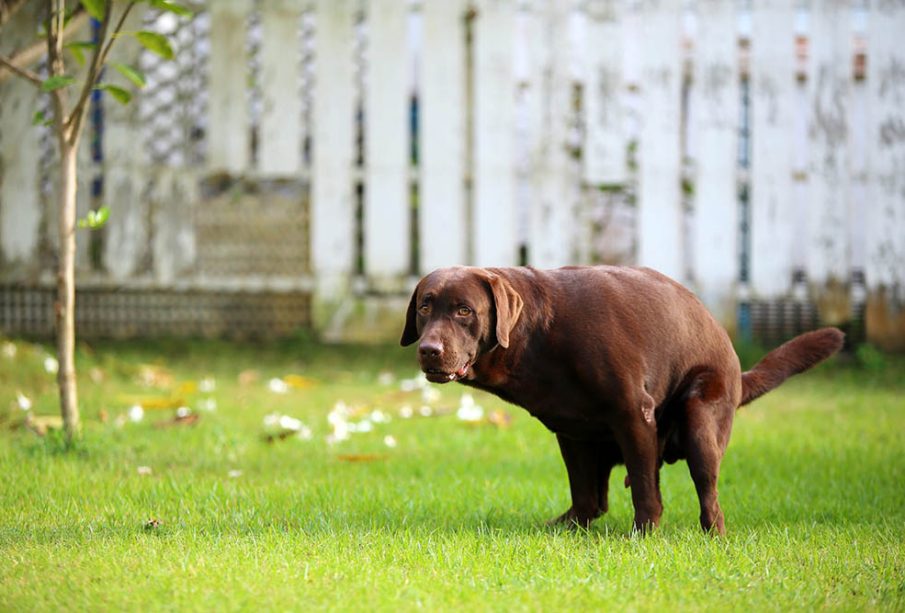
Dog diarrhoea is the passing of loose, watery stools more frequently than usual. There are numerous causes of this typical issue, with minor nutritional errors being all the way to severe diseases. Being aware of the usual triggers will assist owners to prevent episodes and when to approach the veterinary.
Reasons behind dog diarrhoea
Dietary indiscretion and sudden diet changes
The dogs explore with their mouths and in most instances they take things which they are not expected to take. Table scraps, non-food and spoiled food are the common causes of sudden diarrhoea. The following are some of the dietary causes of loose stools:
- Scavenging behavior: Eats garbage, compost, dead animals or faeces, bringing about bacteria which irritate the digestive tract.
- Sudden food switches: A shift in brand or flavour without a gradual shift upsets the bacteria in the gut causing diarrhoea.
- Fatty/rich food: Table scraps, fatty meat, or fried food may cause pancreatitis which is normally followed by diarrhoea.
- Food intolerances: There are proteins or grains that cannot be digested by some dogs, resulting in chronic and intermittent loose stool.
- Ingestion of toxins: In some cases, plants, human medicines and chemicals result in dog diarrhoea (犬 下痢), in an attempt by the body to remove the poison.
Infectious may lead to diarrhoea
Contamination of the intestinal tract of a dog by bacteria, viruses and parasites is common which results in inflammation and loose stools. The greatest risk of infectious agents is to puppies and unvaccinated dogs. The widespread infectious causes are:
- Parvovirus: this virus results in severe bloody diarrhoea, vomiting, in particular in unvaccinated puppies.
- Intestinal worms: Roundworms, hookworm, whipworm and giardia lead to diarrhoea which may be mucus or even bleeding.
- Bacteria infections: Salmonella, E. coli and Campylobacter are mostly linked with contaminated water or food, or through contaminated faeces.
- Coronavirus: This is a virus that leads to mild diarrhoea to moderate diarrhoea and mostly in young puppies in areas with a high number of people.
- Coccidia: These are microscopic parasites that survive in unhygienic environments and result in watery diarrhoea particularly in young or stressed dogs.
Medication side effects
Numerous typical drugs indicate diarrhoea as a side effect particularly when used long-term. The gut irritation can either present itself within hours or days of initiating a new medication. The drug causes include the following:
- Antibiotics: These medications kill the good bacteria as well as the bad bacteria in the gut, thus leading to diarrhoea at times of treatment or after.
- Nonsteroidal anti-inflammatories: Painkillers such as carprofen and meloxicam may cause burns on the stomach and intestines.
- Heartworm preventatives: There are dogs that develop digestive disturbances after taking the preventative of the heartworm on a monthly basis.
- Chemotherapy drugs: The drugs used to treat cancer often induce diarrhoea since they destroy quickly dividing intestinal cells.
- Corticosteroids: Long-term use of corticosteroids has gastrointestinal ulceration and diarrhoea as one of its side effects.
Discussing the frequently asked questions
What is the duration of diarrhoea with changing of diets?
A short term mild diarrhoea that occurs due to a sudden change in the diet is usually cured within two to three days after the digestive system adapts.
Is stress the only possible cause of diarrhoea in dogs?
Yes, boarding, traveling or just a change of routine can cause acute diarrhoea in sensitive dogs due to a big amount of stress.
Should fasting be of benefit to dogs with diarrhoea?
The digestive tract is allowed to rest during a twelve to twenty-four hour fast reaching never to deprive a dog with diarrhoea of water.
What is the meaning of bloody diarrhoea in dogs?
Bloody diarrhoea indicates serious intestinal inflammation, either due to infection, parasitism, or inflammatory bowel lesion or perhaps malignancy.