Essential Veterinary Checkups Every Dog and Cat Needs Yearly

Our pets hold a profound place in our lives, acting as loyal companions, comfort providers, and cherished family members. Because cats and dogs cannot verbally communicate when they feel unwell, they rely entirely on us to notice subtle shifts in their health. Routine veterinary care is the cornerstone of responsible pet ownership. Far beyond a simple trip to the clinic when an animal falls sick, annual wellness exams are crucial preventative measures designed to catch hidden illnesses before they turn severe, painful, or costly. Establishing a consistent schedule of yearly veterinary visits ensures that your canine and feline companions live long, vibrant lives by your side.
The Core Components of an Annual Wellness Exam
When you bring your dog or cat in for their yearly checkup, the veterinarian does much more than listen to their heartbeat. A thorough wellness exam covers a comprehensive physical evaluation of every bodily system.
Comprehensive Physical Evaluation
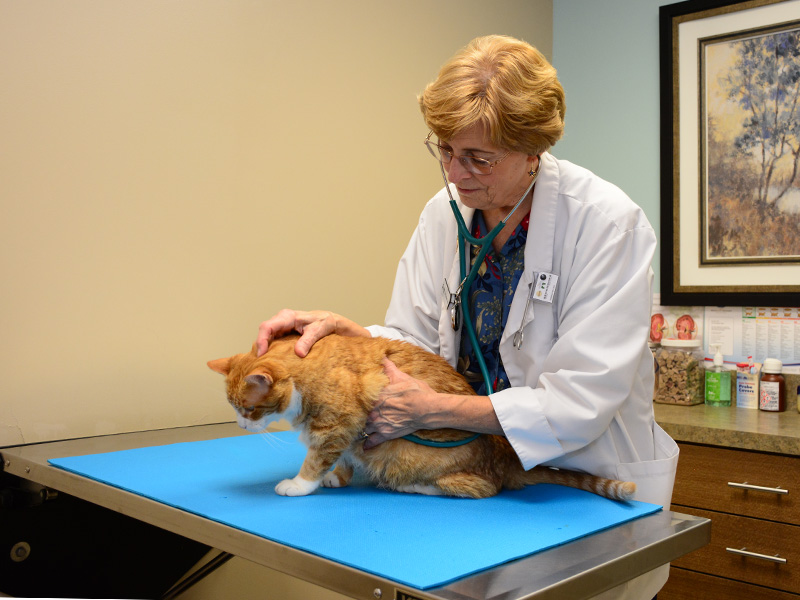
The veterinarian starts from the tip of the nose and moves to the tip of the tail. They will check the eyes for signs of cataracts, discharge, or vision impairment. Ears are examined for infections, mites, and excessive wax buildup. The cardiovascular and respiratory systems are evaluated using a stethoscope to listen for murmurs, irregular heart rhythms, or abnormal lung sounds that could indicate underlying cardiopulmonary disease.
Palpation and Joint Assessment
By gently pressing on the abdomen, the veterinarian evaluates internal organs such as the liver, kidneys, spleen, and bladder for unusual size, shape, or discomfort. They also manipulate the joints and spine to check for mobility issues, stiffness, inflammation, or early signs of arthritis, which is exceptionally common in aging dogs and cats.
Weight and Body Condition Scoring
Weight management is critical for pets. Obesity predisposes animals to diabetes, joint deterioration, heart disease, and a shortened lifespan. The vet will weigh your pet and assign a body condition score, providing actionable advice on diet, portion control, and exercise routines tailored to your pet’s specific breed, age, and lifestyle.
Preventative Diagnostics: Catching Hidden Illnesses
Animals are biologically wired to mask pain and illness as a survival mechanism. By the time a cat or dog displays obvious outward symptoms of a disease, the condition may already be in an advanced stage. This is why preventative diagnostic testing during yearly checkups is so vital.
Comprehensive Blood Work
Routine blood panels, including a complete blood count and a serum chemistry panel, offer a window into internal organ function. These tests evaluate liver and kidney health, blood sugar levels, protein counts, and red and white blood cell levels. Early detection of kidney disease or diabetes allows for dietary and medical interventions that can dramatically slow disease progression.
Urinalysis
A urine sample complements blood work by providing critical insights into kidney function, hydration status, and the urinary tract. Urinalysis can detect urinary tract infections, kidney disease, crystal formation, and diabetes long before clinical signs manifest at home.
Parasite Screening
Parasites pose a continuous threat to both pets and human family members. Annual fecal examinations are necessary to detect intestinal parasites such as roundworms, hookworms, whipworms, and giardia. Heartworm testing is mandatory for dogs and strongly recommended for cats, as mosquito-borne heartworm disease is fatal if left untreated, yet completely preventable with year-round medication.
Dental Health: The Gateway to Overall Well-Being
Dental disease is one of the most underdiagnosed health issues in domestic animals. By age three, the vast majority of dogs and cats show some degree of periodontal disease. Ignoring oral hygiene leads to plaque buildup, tartar, gingivitis, and severe tooth decay.
The Dangers of Untreated Periodontal Disease
Bacteria from infected gums and decaying teeth do not stay confined to the mouth. During chewing, bacteria enter the bloodstream and travel to vital organs, including the heart, liver, and kidneys, potentially causing serious systemic damage and organ failure.
Professional Cleanings and Home Care
During the yearly exam, the veterinarian will evaluate oral health and recommend a professional dental cleaning if plaque and tartar accumulation is present. Professional cleanings require anesthesia to allow for thorough scaling above and below the gumline, coupled with polishing. Between annual visits, owners should implement at-home dental care routines, such as daily teeth brushing with pet-safe toothpaste, dental chews, and specialized diets.
Vaccinations and Parasite Prevention Protocols
Immunizations and preventative medications protect pets from dangerous, highly contagious, and potentially fatal infectious diseases. Vaccination protocols are not one-size-fits-all; they are customized based on your pet’s age, geographic location, lifestyle, and exposure risk.
Core Vaccines for Dogs
Core vaccines are recommended for all dogs regardless of their lifestyle. These include rabies, which is legally required in most regions, and the DHPP combination vaccine, which protects against distemper, adenovirus, parvovirus, and parainfluenza. Non-core or lifestyle vaccines, such as those for Bordetella, leptospirosis, canine influenza, and Lyme disease, are recommended based on whether the dog interacts with other animals, boards, visits grooming salons, or explores wooded environments.
Core Vaccines for Cats
Cats require core protection as well. Feline core vaccines include rabies and the FVRCP combination shot, which guards against feline viral rhinotracheitis, calicivirus, and panleukopenia. Cats that spend time outdoors or live in multi-cat households often benefit from the feline leukemia virus vaccine, while indoor-only cats with low exposure risks may have adjusted schedules determined by their veterinarian.
Parasite Control Management
Year-round administration of flea, tick, and heartworm preventatives is essential. Fleas cause severe skin allergies and transmit tapeworms, ticks transmit tick-borne illnesses like Lyme disease and ehrlichiosis, and mosquitoes transmit heartworms. Your veterinarian will prescribe the most effective preventative products tailored to your pet’s weight and species.
Addressing Behavioral and Nutritional Changes
Yearly veterinary visits provide the ideal platform to discuss non-physical changes in your pet. Behavioral shifts often serve as the first indicator of underlying medical discomfort or cognitive decline.
Behavioral Observations
If your dog or cat is exhibiting increased aggression, house-soiling, excessive vocalization, lethargy, or destructive chewing, mention this to your vet. Pain from arthritis or dental disease frequently manifests as behavioral changes. For senior pets, cognitive dysfunction syndrome can be managed with specialized diets, supplements, and environmental enrichment.
Nutritional Tailoring
As pets age, their metabolic rates and nutritional requirements shift. A puppy or kitten requires high-calorie growth formulas, whereas a senior pet often needs lower calorie counts combined with joint-supporting supplements like glucosamine and omega-3 fatty acids. Your annual checkup is the best time to reevaluate your pet’s diet to ensure optimal body condition and longevity.
Frequently Asked Questions
Why do indoor cats need annual veterinary checkups if they never go outside?
While indoor cats are protected from outdoor hazards like cars and wildlife, they remain susceptible to numerous health issues. Dental disease, diabetes, kidney failure, hyperthyroidism, and obesity affect indoor cats just as frequently as outdoor cats. Furthermore, cats are masters at hiding illness, meaning silent diseases can progress rapidly indoors without a professional physical examination and diagnostic blood work.
At what age should a dog or cat be considered a senior pet?
Generally, dogs and cats are considered seniors around seven years of age, though larger dog breeds often reach senior status earlier, around age five or six. Because aging accelerates rapidly in pets, senior animals benefit greatly from veterinary checkups every six months rather than once a year to catch age-related ailments early.
Are vaccines safe for older or immunocompromised pets?
Vaccine safety is evaluated on an individual basis by your veterinarian. While vaccines are generally safe, pets with certain medical conditions, chronic illnesses, or histories of adverse vaccine reactions may require modified vaccination schedules or titer testing to measure existing immunity levels before administering boosters.
What should I bring with me to my pet’s annual wellness exam?
You should bring a fresh stool sample for parasite screening, a complete history of any current medications or supplements your pet receives, notes on any behavioral or dietary changes you have observed, and previous medical records if you are visiting a new veterinary clinic for the first time.
Can human medications be given to dogs or cats if they show minor signs of pain?
You should never administer human over-the-counter medications such as ibuprofen, acetaminophen, or aspirin to a dog or cat. These medications are highly toxic to pets and can cause severe internal bleeding, organ failure, and death. Always consult your veterinarian for safe, species-appropriate pain management options.
How can I make vet visits less stressful for an anxious pet?
To reduce anxiety, get your pet accustomed to their carrier or car rides long before the appointment day. For cats, leave the carrier out in the house with familiar bedding so it feels safe. For dogs, practice positive reinforcement with treats during car trips. You can also ask your veterinarian about pre-visit calming supplements, pheromone sprays, or prescription anti-anxiety medications to ease clinic stress.