

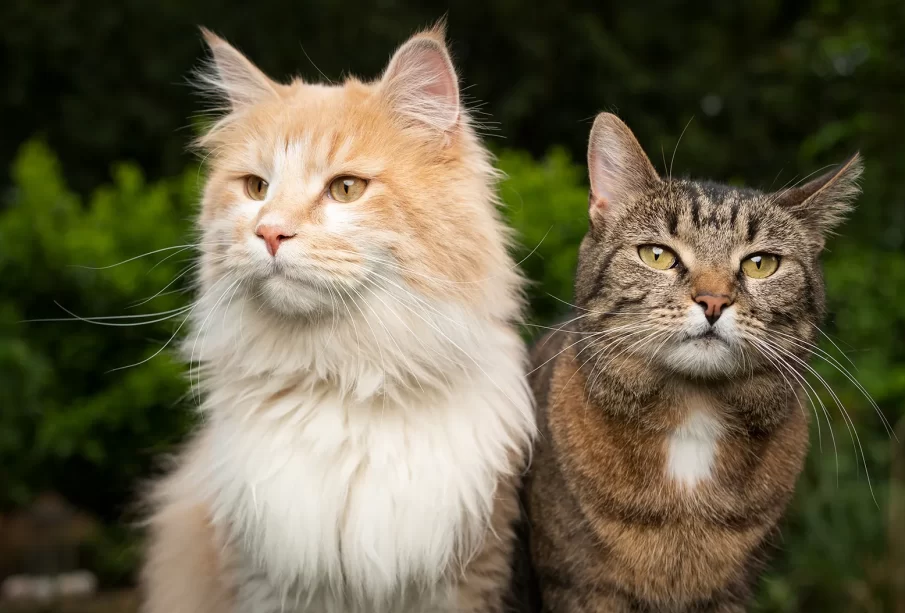
Introduction: A Feline Enigma
There is something profoundly elegant about a cat. With its liquid grace, quiet confidence, and mesmerizing stare, the cat carries an air of mystery that has captivated human imagination for thousands of years. From royal palaces to quiet country cottages, these animals have found their way into our lives and our hearts—not as servants, not as followers, but as dignified companions who demand nothing yet command everything. To know a cat is to accept a creature that offers affection on its own terms, independence in every stride, and a beauty that is at once primal and refined.
A Journey Through Time: The Cat in History
Cats have not always lived curled up on windowsills or nestled into the crooks of our arms. Their story begins in the arid landscapes of the Middle East, where the African wildcat was first drawn to human settlements by the promise of grain-storing rodents. What began as mutual convenience evolved into a unique form of domestication—one that, even today, retains a streak of wildness.
-
Ancient Egypt: Perhaps no civilization revered cats more than the Egyptians. They were considered sacred, often mummified and buried with their owners, believed to carry divine protection and spiritual wisdom.
-
Medieval Europe: In stark contrast, the Middle Ages in Europe brought suspicion. Cats, particularly black ones, were associated with witchcraft and misfortune—an unfortunate myth that lingered for centuries.
-
Modern Appreciation: Today, cats enjoy global adoration. Their images dominate social media, their personalities inspire films and books, and their companionship provides comfort to millions of people around the world.
This complex historical journey reflects the cat’s enigmatic nature—celebrated, feared, adored, misunderstood—all at once.
The Personality of a Cat: Independence with a Touch of Drama
A cat is not simply a pet. It is a presence. Unlike dogs, who often seek human approval and direction, cats live as sovereign beings, choosing when and how to engage with the people around them. This autonomy is not a sign of coldness, but of confidence.
-
Affection on their terms: A cat may curl into your lap one moment and slip away the next. They show affection not with loud enthusiasm but with purring vibrations, slow blinks, and soft nudges.
-
Routine and ritual: Cats thrive on consistency. Feed them late or move their favorite perch and you’ll be met with theatrical disdain.
-
Play and curiosity: Despite their aloofness, cats are intensely playful and curious. A crumpled paper, a string, or a shadow on the wall can become a source of endless fascination.
Each cat has its own distinctive personality. Some are vocal and needy, others aloof and reserved. But all cats share a quiet intelligence, an awareness of their environment that borders on meditative.
The Health Benefits of Having a Cat
Living with a cat is not just emotionally rewarding—it can also be beneficial to one’s physical and mental health. Numerous studies suggest that cat ownership contributes to well-being in subtle yet profound ways.
-
Stress reduction: The act of petting a cat can lower cortisol levels and release serotonin, easing anxiety and promoting relaxation.
-
Heart health: Cat owners have shown a reduced risk of heart attack and stroke, possibly due to the calming effect of feline companionship.
-
Emotional support: For individuals living alone or coping with depression, a cat offers silent yet steadfast company—comfort without pressure, presence without intrusion.
These benefits are rarely trumpeted by the cat itself. But in its quiet way, it becomes a source of stability, rhythm, and comfort in daily life.
The Language of Cats: A Subtle Art
Cats do not bark or beg. They communicate in whispers—through posture, gaze, and movement. To understand a cat is to become fluent in nuance.
-
Tail language: A tail held high signals confidence. A flicking tail may suggest irritation. A tail wrapped around your leg? Affection.
-
Purring: Often associated with contentment, purring can also signal pain or a request for attention—context matters.
-
Eyes and ears: Dilated pupils may suggest excitement or fear. Ears turned backward signal agitation. A slow blink is a feline “I love you.”
Understanding these signals deepens the bond between cat and human. It fosters a relationship built on respect rather than dominance.
Cats and the Modern Home
In an increasingly urbanized, fast-paced world, cats offer the perfect blend of companionship and independence. Their relatively low maintenance—compared to other pets—makes them ideal for apartments and busy schedules.
-
Cleanliness: Cats groom themselves meticulously and require minimal bathing.
-
Space-efficient: Cats adapt well to small spaces and find comfort in cozy corners.
-
Litter box training: With consistency, cats quickly learn where to do their business, sparing owners from daily walks.
They don’t demand your time, but they do appreciate it. A shared afternoon nap, a soft stroke behind the ears, or a playful session with a dangling toy creates a quiet intimacy that speaks volumes.
Myths and Misconceptions
Despite their popularity, cats are often misunderstood. Myths persist—some charming, others unfair.
-
Cats are unloving: In truth, cats form deep bonds. They follow their humans from room to room, bring gifts (however unappealing), and sleep beside those they trust.
-
Cats are nocturnal terrors: While cats are crepuscular (most active at dawn and dusk), they adapt their schedules to their households.
-
Black cats bring bad luck: This superstition is a relic of the past. In many cultures, black cats are symbols of prosperity and good fortune.
Challenging these misconceptions allows for a richer, more accurate appreciation of our feline friends.
Conclusion: The Cat as Companion and Icon
To live with a cat is to invite a quiet magic into your home. They bring with them an elegance that is never forced, a love that is freely given but never owed. They challenge our desire to control, asking instead for mutual respect. In a world that often demands noise and urgency, the cat reminds us to pause, to observe, to stretch into a sunbeam and breathe.
Whether perched on a windowsill watching birds, curled by the fire on a winter’s night, or resting their head against your arm during a storm, cats offer a companionship that is graceful, gentle, and undeniably powerful. They are not ours to command, but they are ours to cherish.
And in their silent, watchful presence, they teach us not only how to care, but how to be.



-

Experience The Effective Factors Involved in A Mobile Vet
January 9, 2019 -

-

Features to Look for When Buying an Equine Walker
February 24, 2025
Latest Posts
-

-

Foods Cats Should Never Eat: Protecting Pets from Harm
June 21, 2026 -

-

-

Discussing The Common Causes of Dog Diarrhoea in Pets
April 19, 2026
Recent Posts
- How To Use Dermestid Beetles for Professional Bone Cleaning? July 16, 2026
- Foods Cats Should Never Eat: Protecting Pets from Harm June 21, 2026
- First Aid Pet Care: Emergency Steps Before Reaching the Veterinary Clinic May 22, 2026
- Best Kitten Food Choices for Healthy Growth and Strong Immunity May 15, 2026
- Discussing The Common Causes of Dog Diarrhoea in Pets April 19, 2026