The Ultimate Cat Care Guide for Grooming Long-Haired Breeds

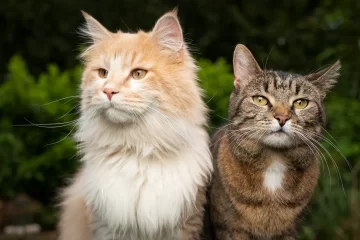
Owning a long-haired cat brings immense joy, but it also demands a serious commitment to daily maintenance. Breeds like Persians, Maine Coons, Ragdolls, and Norwegian Forest Cats possess magnificent coats that require much more than a casual stroke of a brush. Without consistent grooming, their luxurious fur quickly traps dirt, loose undercoat hairs, and natural skin oils, leading to painful matting, skin infections, and hairballs. Mastering the routine of grooming a long-haired cat protects your feline friend’s health while strengthening the bond you share. This comprehensive guide outlines everything you need to know to keep your long-haired companion looking and feeling their best.
Understanding the Coat Structure of Long-Haired Cats
Before diving into tools and techniques, understanding what makes a long coat unique helps clarify why daily care matters so much. Most long-haired cats possess a double coat consisting of a dense, insulating undercoat and a longer, coarser topcoat known as guard hairs. The undercoat grows thick to protect against weather, but when it sheds, the loose hairs become trapped beneath the topcoat.
As your cat moves, friction causes these trapped hairs to tangle tightly together, forming dense knots known as mats. These mats pull painfully on the skin underneath, restricting blood flow and trapping moisture that breeds bacteria. Recognizing how your cat coat grows allows you to target these hidden undercoat layers before minor tangles escalate into pelted fur that requires professional shaving.
Essential Grooming Tools You Need
Using the right equipment transforms a frustrating wrestling match into a manageable, soothing routine. Investing in quality tools designed specifically for long fur makes a noticeable difference in efficiency and comfort.
-
Wide-Toothed Metal Comb: Often called a greyhound comb, this tool is the ultimate test for your brushing success. If the comb glides smoothly from root to tip without snagging, your cat is truly free of tangles.
-
Slicker Brush: Featuring fine wire pins set closely together, the slicker brush excels at removing loose surface hair and catching early-stage undercoat shedding before it mats.
-
Undercoat Rake: Designed with rounded metal pins that reach deep beneath the topcoat, this tool safely pulls out dead undercoat fur on heavy-coated breeds like Persians and Maine Coons.
-
Rubber Grooming Mitt: Perfect for daily maintenance sessions, the rubber mitt removes loose top hairs while providing a massage that distributes natural skin oils.
-
Pet-Safe Detangling Spray: A light spritz helps lubricate stubborn knots, allowing you to work them out gently without pulling your cat sensitive skin.
Establishing a Step-by-Step Daily Grooming Routine
Consistency remains the absolute key to success with long-haired breeds. Trying to tackle a matted coat once a month overwhelms both you and your cat. Instead, break grooming down into short, daily sessions lasting five to ten minutes.
Start by letting your cat sniff the tools before you begin, creating a positive association through gentle praise and treats. Use the rubber mitt or slicker brush to smooth the topcoat, working from head to tail. Pay special attention to friction-heavy areas where mats form most frequently, including the armpits, belly, the back of the hind legs, and beneath the collar.
Once you finish brushing, run your metal comb gently through the fur. If you encounter resistance, do not yank or pull. Hold the base of the hair near the skin with one hand to prevent pulling, and use the comb to tease the knot apart gently from the outside edges inward.
Managing Mats and Tangles Safely
Despite your best efforts, occasional mats will happen, especially during seasonal shedding periods in the spring and autumn. Managing these tangles requires patience and absolute caution because cat skin is remarkably thin and tears easily.
Never use household scissors to cut out a mat close to the skin. Cats shift unexpectedly, and many emergency veterinary visits stem from accidental skin lacerations caused by scissors. If a knot is too tight to tease apart with your fingers and metal comb, use a specialized dematting comb with guarded blades that slice through the knot safely, or visit a professional groomer. For minor tangles, work a tiny drop of cornstarch or pet detangling spray into the knot to loosen the fibers before brushing.
Bathing Your Long-Haired Cat
While cats spend hours every day grooming themselves with their rough tongues, long-haired breeds occasionally require actual baths to manage grease buildup, odors, or sticky messes.
Brush your cat thoroughly to remove all loose hair and tangles before the bath, because water causes loose knots to tighten permanently into felted masses. Place a non-slip rubber mat at the bottom of your tub or sink to give your cat secure footing. Use lukewarm water and a handheld nozzle to wet the fur gradually, avoiding the face and ears. Apply a cat-specific shampoo, lather thoroughly, and rinse completely, as leftover soap residue causes itchy skin and attracts dirt. Wrap your cat in a warm, dry towel immediately, and use a low-heat hairdryer only if your cat tolerates the sound and airflow.
Eye, Ear, and Paw Maintenance
Grooming extends far beyond the fur on your cat back. Long-haired breeds require regular attention to specific areas prone to hygiene issues and infections.
-
Facial Cleaning: Flat-faced long-haired breeds like Persians experience excessive tearing that stains facial fur and breeds bacteria. Gently wipe the corners of their eyes daily using a damp, soft cloth or specialized pet eye wipes.
-
Ear Inspections: Check your cat ears weekly for excess wax, debris, or redness. Clean only the visible outer ear folds with a cotton ball moistened with vet-approved ear cleaner, never inserting cotton swabs into the ear canal.
-
Paw Pad Trimming: Long fur between paw pads traps kitty litter, dust, and moisture, leading to slips and tracked-in mess. Use blunt-nosed grooming scissors to trim the fur flush with the paw pads every few weeks.
-
Sanitary Trims: Keep the fur around your cat rear end trimmed short to prevent waste from sticking to the long hair, maintaining daily hygiene with minimal effort.
Frequently Asked Questions
How often should I professionally groom my long-haired cat?
Most long-haired cats benefit from a professional groomer visit every two to three months for a sanitary trim, lion cut, or thorough deshedding treatment, especially during heavy seasonal coat changes.
Can I use human shampoo on my long-haired cat in an emergency?
Human skin has a different pH balance than feline skin, meaning human shampoo strips away protective natural oils, causing severe dryness, flaking, and irritation. Always use a formulated cat shampoo.
Why does my long-haired cat get greasy fur along the base of the tail?
This condition is known as stud tail, caused by an overproduction of sebum from the supracaudal gland. Regular cleansing with a degreasing cat shampoo and targeted powder treatments help manage this hormonal oil buildup.
How do I introduce grooming to an adult rescue cat that hates being brushed?
Start slowly by letting the cat investigate the brush while offering high-value treats without actually grooming them. Gradually progress to one single stroke of the brush per day, slowly building duration as trust increases.
What causes static electricity in my cat coat during winter?
Low indoor humidity during winter months dries out fur, causing static shock when stroked. Running a humidifier in your home and switching to a metal comb instead of plastic helps eliminate static buildup.
Is it safe to shave a long-haired cat during the summer months?
While a summer lion cut might seem helpful, cats rely on their coats for temperature regulation and sunburn protection. Consult your veterinarian before shaving, and focus instead on daily undercoat removal to keep them cool.