Silent Stewards of the Earth: The Profound Role of Animals in Our World
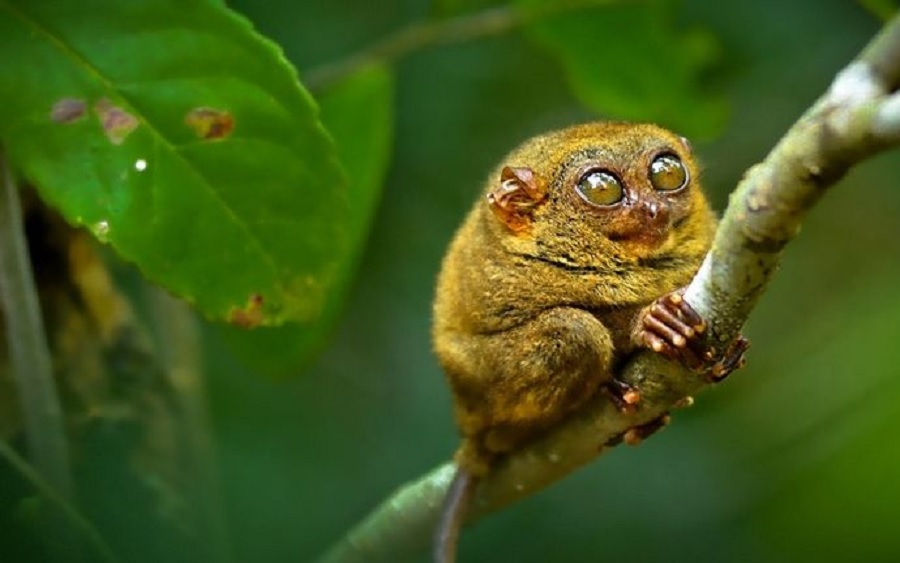
Introduction: Rediscovering the Animal Kingdom
Animals are more than mere inhabitants of the natural world—they are its heart and soul. From the fleeting shimmer of a hummingbird’s wings to the thunderous power of an elephant’s stride, animals embody a spectrum of beauty, complexity, and intelligence that humans have long admired. Yet, beyond admiration lies an even deeper truth: animals are essential to the delicate balance of life on Earth. To understand animals is not just to observe their behaviors, but to grasp our own place in nature. The story of animals is, ultimately, the story of the planet itself.
The Spectrum of Animal Intelligence
Contrary to once-popular belief, animals are not ruled solely by instinct. Research continues to uncover impressive levels of cognition, problem-solving, emotional depth, and social behavior in species across the animal kingdom.
-
Elephants display mourning behaviors when a member of their herd dies, returning to the site days or even years later.
-
Crows and ravens can solve puzzles, use tools, and plan for future needs—skills that rival those of some primates.
-
Dolphins engage in intricate play, vocal mimicry, and show evidence of self-recognition in mirrors, a hallmark of self-awareness.
These findings shatter outdated assumptions and demand a rethinking of our ethical responsibility toward animals. If animals can think, feel, grieve, and plan, they are not simply biological entities, but sentient beings deserving of respect.
Animals in Ecosystems: Nature’s Engineers
Every animal, no matter how grand or minute, fulfills a unique ecological role. Ecosystems thrive on the interdependence of species, with animals often serving as pollinators, seed dispersers, predators, prey, and decomposers.
-
Beavers, by building dams, create wetlands that support countless other organisms.
-
Bats consume vast quantities of crop-damaging insects, providing natural pest control.
-
Predators such as wolves maintain population balance among herbivores, preserving plant biodiversity and preventing overgrazing.
When even one of these roles is disrupted—due to habitat loss, hunting, or climate change—the ripple effects can destabilize entire ecosystems. The health of our forests, oceans, and grasslands is inextricably linked to the presence and well-being of animals.
Cultural and Spiritual Significance
Animals have not only shaped our ecosystems but also our cultures. Across time and geography, humans have found inspiration, guidance, and companionship in animals. They appear in art, folklore, religion, and literature, often symbolizing virtues or forces of nature.
-
In ancient Egypt, cats were revered as protectors and even worshipped.
-
Native American traditions regard animals like the eagle, bear, and wolf as spiritual guides and symbols of strength or wisdom.
-
Eastern philosophies, such as Buddhism and Jainism, emphasize compassion for all sentient beings, promoting non-violence toward animals.
This rich cultural heritage reveals a longstanding reverence for animals that modern society risks losing. As technology distances us from the natural world, it is more important than ever to remember the roles animals have played in shaping our collective identity.
Human-Animal Relationships: From Domestication to Dependency
Our bond with animals goes beyond the wild. Over the centuries, we have domesticated animals for farming, labor, companionship, and protection. Dogs guard our homes, horses have carried us across continents, and cows have provided sustenance to civilizations.
In contemporary society, animals continue to enrich our lives in ways both practical and emotional.
-
Guide dogs assist the visually impaired, offering not only mobility but companionship and dignity.
-
Therapy animals provide comfort to individuals battling depression, PTSD, and chronic illness.
-
Livestock, when raised responsibly, support food systems and rural economies.
Yet this relationship carries weighty responsibility. With power comes the obligation to treat animals ethically, whether they live in our homes, serve our communities, or exist within agricultural systems. Humane treatment is not a luxury—it is a moral baseline.
The Crisis of Extinction
Despite their value, animals are facing an alarming crisis. According to scientific estimates, over one million species are at risk of extinction within the coming decades, driven largely by human activity. Climate change, habitat destruction, pollution, and illegal poaching have placed unprecedented pressure on wildlife.
-
Deforestation, particularly in tropical rainforests, eliminates the homes of thousands of species each year.
-
Ocean acidification and rising sea temperatures are devastating marine life, from coral reefs to fish populations.
-
The illegal wildlife trade, worth billions annually, pushes species like pangolins and rhinos closer to extinction.
This loss is more than symbolic. It threatens the stability of food systems, disease regulation, and climate resilience. As species vanish, so too do the services they provide to our shared environment.
Conservation and the Power of Collective Action
Amid the darkness, there is light. Conservation efforts across the globe are achieving inspiring victories—when guided by science, supported by policy, and rooted in community engagement.
-
Wildlife reserves and national parks protect species by offering safe habitats, free from human encroachment.
-
Rewilding projects, such as the reintroduction of wolves to Yellowstone, have restored ecological balance.
-
Education campaigns are transforming how the next generation understands and values the animal world.
Moreover, individual choices—reducing meat consumption, supporting ethical brands, refusing to purchase exotic animal products—can collectively create immense positive change.
A Moral Imperative
The way we treat animals reflects the kind of civilization we aspire to be. Do we act as stewards of the Earth or exploiters? Do we value life in all its forms, or only that which serves our convenience?
To honor animals is to honor life itself. Their survival is our survival. Their stories, so rich with struggle, adaptability, and grace, should inspire us to live more consciously. They ask little of us—only space to roam, respect for their kind, and the chance to live without suffering.
Conclusion: In Harmony with the Wild
Animals are not separate from us—they are extensions of the same breath, the same origins, the same Earth. Whether soaring above the clouds, crawling beneath the soil, or purring beside us on the couch, animals remind us of what is wild, pure, and essential in this world.
If we listen closely—not just with our ears, but with empathy—we might hear what they’ve been telling us all along: that harmony with nature is not only possible, it is necessary. And in protecting animals, we protect the future—for them, for us, and for the world we share.