Features to Look for When Buying an Equine Walker
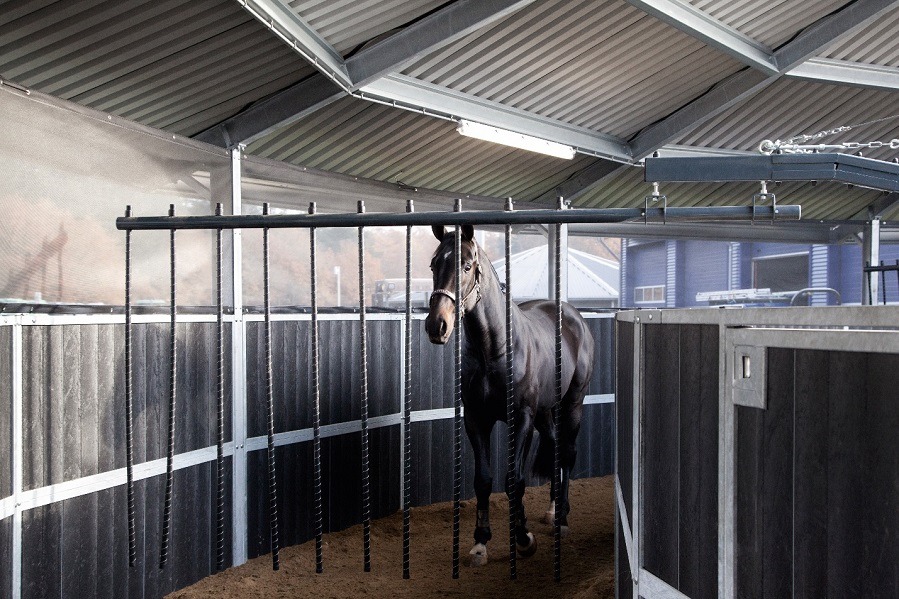
An equine walker is an essential investment for equestrian establishments, rehabilitation centers, and horse trainers. These devices support horses’ general training, injury recovery, and fitness maintenance. However, choosing the best equine walker necessitates carefully weighing several variables. The main characteristics to consider while buying an equine walker are listed below.
- Size and Capacity
The number of horses you plan to train at a time should correspond with the size of the equine walker. Walkers typically have diameters between 40 and 80 feet and can hold two to eight horses at once. Larger models keep horses from feeling claustrophobic and provide them more room for natural leaps. Several versions permit adjustments to the partition and spacing configurations to accommodate different horse sizes and training levels. The number of horses you must train each day should determine the capacity of the walker you choose.
- Speed and Programmable Settings
A quality horse walker should have programmable exercise regimens and changeable speed settings to accommodate various training requirements. Pre-programmed programs, reverse functionality, and variable speed control are features that guarantee balanced muscular growth and guard against injuries. Horses can avoid unexpected shocks that could frighten them by using walkers that accelerate and decelerate gradually. More sophisticated models have digital controls that let you program different training speeds and establish specified workout intervals. Horses with varying levels of training will benefit from the walker’s adjustable speeds.
- Energy Efficiency and Power Supply
Equine walkers that use less energy save money on operations. Seek out motors with minimal power consumption, solar-powered alternatives, and intelligent sensors that minimize power usage by only operating when required. Walkers with effective power control lower electricity costs without sacrificing functionality. Horse establishments that want to lower their energy expenses and environmental impact can consider solar-powered models. To ensure optimal energy utilization, smart sensors modify operation and speed in response to current conditions. Purchasing a model that uses less energy results in long-term savings without sacrificing functionality.
- Customization and Add-On Features
To improve functioning, several manufacturers include extra features and customization choices, like automated feeding systems, integrated water sprinklers, entertainment systems, and heart rate monitors. Horses are kept calm by entertainment elements including integrated speakers that play calming music. Trainers can determine a horse’s level of effort using heart rate monitors, guaranteeing safe and efficient training. During hot weather, built-in water sprinklers keep horses from being too hot. Exercise and nutrition management are made easier by automated feeding systems that allow trainers to plan feeding times.
- Cost and Warranty
Consider the long-term value vs the initial expenditure, the warranty coverage for motors and structural parts, and the manufacturer’s financing or leasing alternatives when searching for equine walker for sale. Although they may cost more upfront, higher-end versions with more sophisticated features eventually save money on energy and maintenance. A robust warranty guarantees assistance in the event of malfunctions or faults. Facilities can purchase premium walkers without breaking the bank thanks to financing options.
Conclusion
An important choice that affects a horse’s fitness, recovery, and general well-being is buying an equine walker. Make quality and long-term value your top priorities to ensure your equestrian facility is a wise investment. An excellent complement to any professional equestrian environment, choosing a well-made, effective, and secure equine walker improves training schedules and fosters the best possible health for horses.