

Introduction: A Relationship Rooted in Emotion
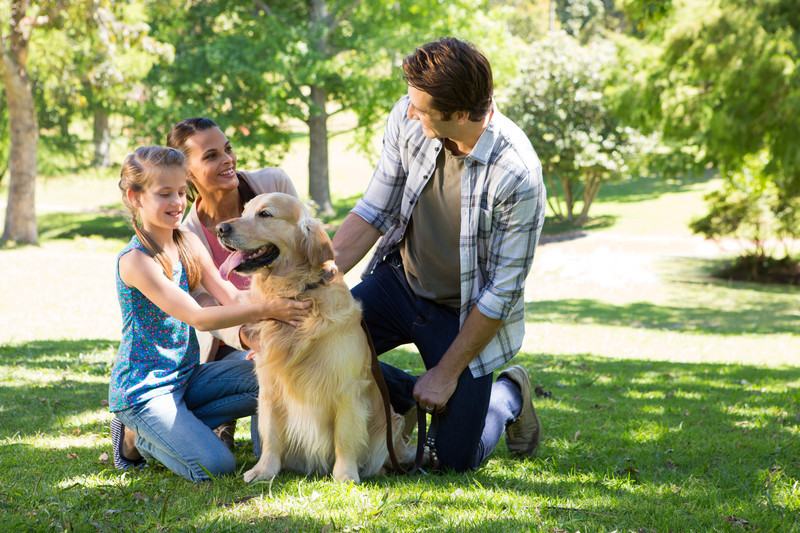
There is something deeply profound about the human-pet relationship. It transcends language, culture, and time. A pet is not merely an animal in one’s home—it is a cherished companion, a source of comfort, and often, a reflection of our truest selves. Whether it’s a loyal dog, a regal cat, a chirping parrot, or a curious rabbit, pets enrich our lives in countless ways. They teach us empathy, patience, responsibility, and the quiet joy of presence. To understand the value of a pet is to recognize the subtle, soul-level connection that grows through shared moments of love and trust.
A Brief History of Pets in Human Civilization
The bond between humans and animals is not a modern invention. Archaeological evidence suggests that dogs were domesticated as far back as 15,000 years ago, while cats began living alongside humans in ancient Egypt around 9,000 years ago. What began as partnerships based on utility—dogs aiding in hunting, cats controlling vermin—gradually evolved into relationships grounded in affection.
-
Ancient civilizations revered animals not just for their usefulness but for their symbolic and spiritual significance.
-
Royal courts in Europe and Asia kept exotic animals as pets, a display of wealth and fascination with the natural world.
-
Victorian households emphasized pet ownership as a reflection of moral character and emotional sensitivity.
Today, pets are regarded as family members in many cultures. They are given names, birthdays, health care, and in some cases, even inheritances. This evolution speaks to their growing emotional importance in our lives.
The Psychological and Emotional Impact of Pets
The presence of a pet can have powerful effects on mental and emotional well-being. Scientific studies consistently show that pet ownership contributes to reduced stress, improved mood, and a sense of companionship that combats loneliness.
-
Emotional stability: Pets offer unwavering affection. They don’t judge or criticize. Their loyalty can be deeply grounding in a turbulent world.
-
Routine and purpose: Caring for a pet introduces structure into daily life. Feeding, walking, grooming—each task fosters a sense of responsibility.
-
Therapeutic presence: Therapy animals are widely used in hospitals, schools, and assisted-living facilities to provide emotional comfort to individuals facing trauma, grief, or mental health challenges.
Children raised with pets often develop higher levels of empathy and social confidence. For adults, especially those living alone, a pet becomes a meaningful source of companionship and emotional support.
Types of Pets and Their Unique Qualities
Every species brings something distinct to the table. Choosing a pet is a deeply personal decision, often reflecting one’s lifestyle, personality, and preferences.
-
Dogs: Known for their loyalty and energy, dogs are affectionate, social, and highly trainable. They thrive on interaction and often form deep emotional bonds with their owners.
-
Cats: Independent yet affectionate, cats are low-maintenance companions that offer quiet comfort and playful curiosity. They are ideal for individuals seeking gentle affection with a touch of mystery.
-
Birds: Parrots, canaries, and budgerigars bring color, song, and intelligence into a household. Their communicative nature and vibrant personalities make them delightful companions.
-
Small mammals: Rabbits, hamsters, and guinea pigs are excellent for families and children. They are sociable and enjoy gentle interaction in calm environments.
-
Fish: Though not cuddly, fish offer a serene presence. An aquarium can be meditative, providing visual beauty and a calming atmosphere.
Each type of pet requires unique care, attention, and understanding. Responsible ownership involves matching the animal’s needs to one’s own ability to provide consistent love and proper care.
Pets in the Modern World: A Changing Dynamic
As society evolves, so too does the concept of pet ownership. Modern pet care reflects advancements in veterinary science, shifting cultural values, and increasing awareness of animal welfare.
-
Pet wellness: High-quality food, preventive care, and even mental stimulation toys are now commonplace.
-
Training and behavior support: Professional trainers and behaviorists help owners cultivate better relationships with their pets.
-
Pet-friendly spaces: Parks, cafes, hotels, and even workplaces increasingly welcome pets, acknowledging their central role in people’s lives.
-
Digital tools: Pet-monitoring cameras, GPS collars, and automatic feeders allow for enhanced care and connection, even when owners are away.
Furthermore, social media has given rise to pet influencers, turning household animals into celebrities. This growing cultural prominence demonstrates just how integrated pets have become in modern lifestyles.
The Ethics of Pet Ownership
With the joys of having a pet come serious responsibilities. Ethical pet ownership demands commitment, compassion, and an understanding of an animal’s physical and emotional needs.
-
Adoption over breeding: Shelters are filled with animals in need of loving homes. Choosing to adopt not only saves a life but also supports humane practices.
-
Proper veterinary care: Regular check-ups, vaccinations, and spaying/neutering are essential to a pet’s long-term health and well-being.
-
Time and attention: Pets are not decorations or toys. They require engagement, exercise, and genuine companionship.
-
Respecting natural behavior: Understanding an animal’s instincts—such as a cat’s need to scratch or a dog’s need to sniff and explore—creates a more harmonious home environment.
Taking on a pet means accepting responsibility for another life. It is not a temporary whim, but a long-term commitment built on love, trust, and mutual care.
When the Time Comes: Saying Goodbye
One of the most difficult aspects of pet ownership is the inevitability of parting. Whether due to age, illness, or unforeseen tragedy, the loss of a pet can be heartbreakingly profound.
-
Grief is real: Mourning a pet is as valid and personal as grieving a human companion.
-
Memorials and rituals: Creating space for remembrance—through photos, keepsakes, or small ceremonies—helps process the loss.
-
The enduring bond: Though a pet may pass, the love shared remains a part of the owner’s heart, offering comfort and memory in equal measure.
In losing a pet, we are reminded of the depth of the bond formed. It is this bond that makes pet ownership so meaningful—and so transformative.
Conclusion: A Love Without Words
To share life with a pet is to invite joy, comfort, laughter, and sometimes tears into one’s world. Pets do not require grand gestures or eloquent words; they thrive on quiet presence, gentle touch, and sincere attention. In return, they offer unwavering love, silent companionship, and the kind of loyalty that is felt more than seen.
Whether bounding with excitement or curled in a patch of sunlight, a pet brings humanity closer to something pure and timeless—the simple joy of connection. And in this connection, we find not only love but a deeper understanding of ourselves.

-

First Year Developmental Timeline For Puppies
July 26, 2023 -

Choosing the proper Dog Cage
May 11, 2018 -

Recognising and Avoiding Puppy Mills
June 20, 2022
Latest Posts
-

-

Foods Cats Should Never Eat: Protecting Pets from Harm
June 21, 2026 -

-

-

Discussing The Common Causes of Dog Diarrhoea in Pets
April 19, 2026
Recent Posts
- How To Use Dermestid Beetles for Professional Bone Cleaning? July 16, 2026
- Foods Cats Should Never Eat: Protecting Pets from Harm June 21, 2026
- First Aid Pet Care: Emergency Steps Before Reaching the Veterinary Clinic May 22, 2026
- Best Kitten Food Choices for Healthy Growth and Strong Immunity May 15, 2026
- Discussing The Common Causes of Dog Diarrhoea in Pets April 19, 2026