Understanding Cat Food Allergies: A Comprehensive Veterinary Guide
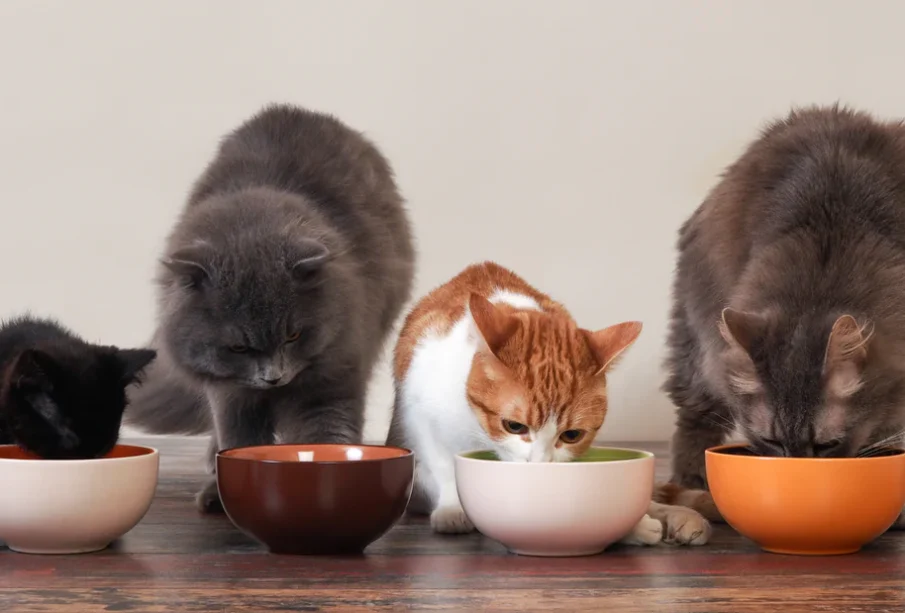
Cat food allergies can be a source of constant frustration for pet parents. If your feline companion is constantly scratching, losing fur, or dealing with chronic digestive issues, you might be searching for answers. Many owners confuse food intolerances with true food allergies, but understanding the medical distinction is vital for providing your cat with effective relief. When a cat suffers from a true food allergy, their immune system mistakenly identifies a harmless dietary ingredient as a dangerous threat, triggering a defensive reaction.
The Root Causes of Feline Food Allergies
True food allergies in cats almost always stem from the protein sources in their diet. Unlike humans, who frequently develop allergies to nuts, shellfish, or fruits, cats primarily react to the animal proteins they consume daily.
-
Common Culprits: Beef, fish, chicken, and dairy are the leading triggers for feline food allergies. Because these ingredients form the base of many commercial cat foods, cats are frequently exposed to them over long periods, which can eventually provoke an immune response.
-
The Role of Exposure: A cat cannot develop an allergy to an ingredient without prior exposure. It often takes months or even years of eating the same food before the immune system overreacts and marks the protein as an allergen.
-
Grain Allergies: While many commercial diets highlight grain-free options, true grain allergies are actually quite rare in cats. Most cats handle grains well, though individual sensitivities do occasionally occur.
-
Additives and Preservatives: Artificial colors, flavors, and chemical preservatives can sometimes cause adverse reactions, though these typically manifest as food intolerances rather than true immunological allergies.
Recognizing the Signs and Symptoms
Identifying a food allergy requires careful observation because the symptoms often mimic other common feline health conditions, such as flea infestations, environmental allergies, or stress-related over-grooming.
Dermatological signs are the most prevalent indicator of a food allergy in cats. You may notice your cat persistently scratching around the head, neck, and ears. Some cats develop miliary dermatitis, which feels like tiny, crusty bumps across the skin. Unlike seasonal allergies caused by pollen or dust mites, food allergy symptoms persist throughout the entire year regardless of the weather or indoor environment.
Digestive symptoms can also occur alongside skin issues or present entirely on their own. If your cat frequently vomits after meals, produces loose stools, or displays increased flatulence, a dietary evaluation is warranted.
The Gold Standard: The Elimination Diet Trial
Blood tests and saliva tests for food allergies in cats lack reliable scientific backing and often produce false positives. The only medically accepted and reliable method for diagnosing a feline food allergy is a strict elimination diet trial.
Selecting the Right Diet
To execute a successful trial, your veterinarian will recommend one of two main dietary paths:
-
Novel Protein Diets: These formulas utilize a single protein source that your cat has never eaten before, such as venison, rabbit, duck, or kangaroo, paired with an unfamiliar carbohydrate like green peas or potatoes.
-
Hydrolyzed Diets: These prescription diets break down common proteins, such as soy or chicken, through a chemical process into molecules so tiny that the cat’s immune system cannot recognize them as allergens, thereby preventing an allergic reaction.
Rules of the Trial
The elimination diet must be fed exclusively for a minimum of eight to twelve weeks. During this critical window, your cat cannot consume any other food, treats, flavored medications, or table scraps. Even a tiny crumb of regular kibble or a flavored pill pocket can ruin the trial and force you to restart the entire process from day one. Free-roaming cats must be kept indoors to prevent them from hunting rodents or eating food intended for other household pets.
Managing and Treating Diagnosed Allergies
Once the elimination diet successfully resolves your cat’s symptoms, you confirm the diagnosis through a food challenge. This involves reintroducing the old food; if the symptoms return within a few days or weeks, the allergy diagnosis is confirmed.
Managing a cat with confirmed food allergies requires lifelong commitment to their diet. Many pet parents choose to keep their cat on the successful commercial novel protein or hydrolyzed prescription diet permanently. Alternatively, some owners prefer to cook balanced homemade meals under the direct supervision of a veterinary nutritionist to ensure the cat receives all essential amino acids, vitamins, and minerals.
Frequently Asked Questions
Can a cat suddenly develop an allergy to a food they have eaten for years?
Yes. Cats can develop allergies to any protein they have been exposed to over a long period. The immune system suddenly changes its tolerance level, transforming a previously safe ingredient into an active allergen.
Are store-bought grain-free foods enough to fix a food allergy?
Usually not. Because most feline food allergies are triggered by animal proteins rather than grains, switching to a grain-free diet that still contains chicken, beef, or fish will not resolve the symptoms if those specific proteins are the actual allergens.
Can kittens have food allergies, or do they only affect older cats?
While food allergies can develop at almost any age, they are most frequently diagnosed in adult cats between the ages of one and six years. They are rarely seen in young kittens under six months old because the immune system typically requires time and repeated exposure to sensitize.
How long does it take for allergy symptoms to disappear once the trigger food is removed?
Skin inflammation and itching generally take anywhere from four to eight weeks to completely subside after removing the allergen. Gastrointestinal symptoms usually improve much faster, often within just a few days to a couple of weeks.
Can environmental allergies look identical to food allergies?
Yes. Atopic dermatitis caused by environmental allergens like pollen, mold, or dust mites produces the exact same skin lesions and intense itching as food allergies. Your veterinarian must rule out environmental factors through careful clinical history and elimination trials.
Can treats be given during an elimination diet trial?
Standard commercial treats cannot be given during an elimination trial because they contain restricted proteins or additives. However, you can use pieces of the prescribed novel protein kibble or freeze-dried single-ingredient versions of the approved novel protein as safe alternatives.