The Ultimate Dog Care Guide for Hiking and Outdoor Adventures
Hitting the trails with your canine companion offers an unmatched bonding experience. Exploring remote mountain paths, shaded forest loops, and open meadows provides incredible physical and mental stimulation for your dog. However, taking a dog into the backcountry requires far more preparation than a casual stroll around the neighborhood block. Ensuring a safe, enjoyable excursion means accounting for your dog physical limits, weather conditions, wildlife hazards, and specialized gear needs. This comprehensive guide covers everything you need to know to transform your dog into a seasoned, confident trail companion.
Evaluating Your Dog Fitness and Readiness
Before embarking on a rugged, multi-mile backcountry trek, you must honestly evaluate your dog current physical condition. Just like humans, dogs cannot jump straight from a sedentary couch lifestyle into intense mountain hiking without risking severe injury, muscle strains, or exhaustion.
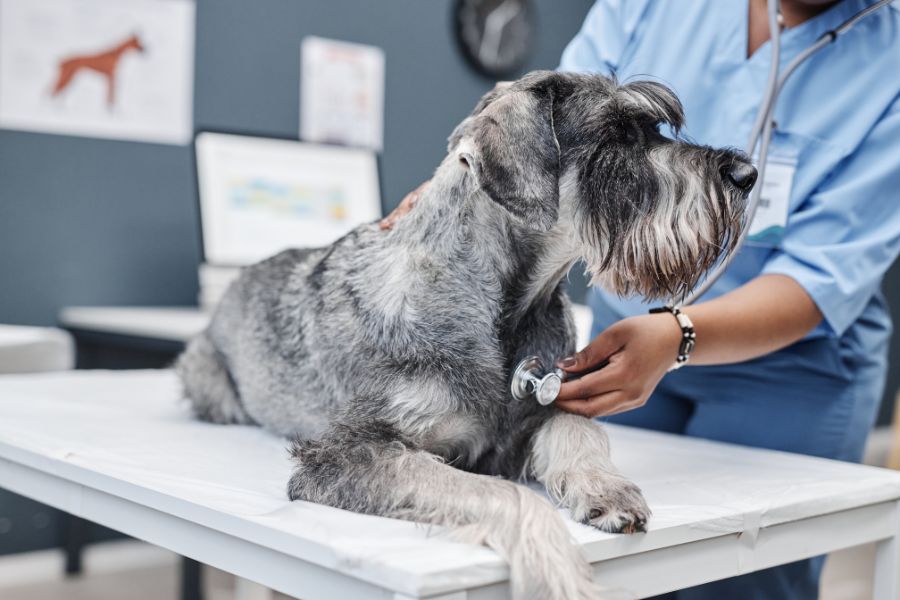
Start by scheduling a routine checkup with your veterinarian to confirm that your dog heart, lungs, and joints are healthy enough for heavy endurance exercise. Puppies should never go on long hikes because their growth plates are still developing, and excessive impact can cause permanent joint damage. Wait until your dog is fully grown before tackling steep inclines or long distances. Build up stamina gradually by starting with short, flat walks on natural dirt paths and slowly increasing distance and elevation gains over several weeks.
Essential Gear Packing List
Equipping your dog with the right outdoor gear keeps them comfortable, visible, and safe across changing environments. Never rely on your dog wearing a standard everyday collar for heavy trail use.
-
Proper Harness: A sturdy, well-fitting adventure harness distributes pulling pressure evenly across your dog chest and shoulders rather than placing dangerous strain on their neck.
-
Leash and Long Line: Pack a standard six-foot leash for busy trailheads and narrow paths. A longer fifteen-foot training line works well for open areas where you want to grant your dog extra sniffing freedom while maintaining control.
-
Collapsible Bowls and Water: Bring a dedicated water bottle for your dog and lightweight collapsible silicone bowls for easy hydration breaks on the move.
-
Dog Backpack: If your dog is healthy and large enough, they can carry their own gear, such as waste bags and lightweight food rations, provided the pack weight does not exceed ten to fifteen percent of their total body weight.
-
Visibility Accessories: Attach a bright blinking LED light to your dog collar or harness if you plan to hike near dawn, dusk, or in heavily forested shaded canyons.
Trail Hydration and Nutritional Needs
Physical exertion outdoors dramatically increases your dog caloric and fluid requirements. Dehydration in the wilderness poses a serious, life-threatening medical emergency.
Never allow your dog to drink from stagnant puddles, slow-moving streams, or alpine lakes. Natural water sources frequently harbor dangerous parasites like Giardia and Cryptosporidium, as well as toxic blue-green algae blooms. Always pack plenty of clean, fresh tap water from home and offer small, frequent drinks every twenty to thirty minutes, rather than letting them chug a massive amount of water all at once, which can trigger dangerous gastric torsion.
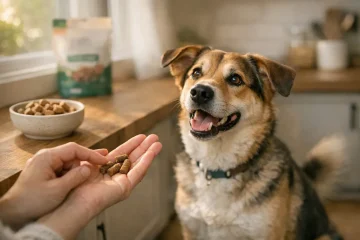
Pack high-protein, calorie-dense treats or extra kibble to refuel your dog energy reserves during extended hikes. Feeding a small snack halfway through the trek prevents muscle fatigue and keeps their metabolism steady.
Protecting Paws from Harsh Terrain
A dog paw pad is remarkably tough, but it is not entirely indestructible. Hot asphalt, jagged volcanic rock, sharp shale, thorny brush, and abrasive sand quickly tear up sensitive paw leather.
Check your dog paws frequently throughout the hike for signs of redness, bleeding, or cracked pads. If you are hiking in scorching summer temperatures, test the ground with the back of your hand for seven seconds. If the surface is too hot for your skin, it will instantly burn your dog paws. For winter hikes, snow and ice balls pack tightly between toe pads, causing frostbite and severe discomfort. Protect your dog by applying protective paw wax before heading out, or train them to wear durable rubberized dog booties to handle extreme terrain safely.
Navigating Wildlife and Environmental Hazards
The great outdoors is home to various wild animals and environmental threats that require constant vigilance from pet owners.
-
Wildlife Encounters: Keep your dog leashed at all times to prevent them from chasing local wildlife such as deer, bears, porcupines, or coyotes. Chasing wildlife puts your dog in immediate danger of injury or getting lost in unfamiliar territory.
-
Biting Insects: Mosquitoes, ticks, and fleas thrive in damp wooded environments. Ensure your dog is up to date on preventative parasite treatments, and perform thorough tick checks immediately after finishing your hike.
-
Stinging Pests: Ground-nesting wasps and bees pose a significant threat if disturbed by a curious sniffing nose. Watch for sudden head-shaking or frantic scratching.
-
Toxic Flora: Familiarize yourself with poisonous regional plants, mushrooms, and wildflowers along your route to prevent your dog from nibbling on dangerous vegetation.
Etiquette and Leave No Trace Principles
Being a responsible outdoor dog owner means respecting nature, local wildlife, and fellow human hikers sharing the path.
Always pick up your dog waste using biodegradable bags and pack it out with you, rather than leaving plastic bags hanging on tree branches or tossing them off the side of the trail. Dog waste contains artificial diets and medications that disrupt delicate natural ecosystems and contaminate local water sources.
When encountering other hikers, horseback riders, or mountain bikers, pull your dog off to the side of the trail, have them sit quietly, and reward them with treats as people pass. Not everyone loves dogs, and some people or animals experience genuine fear around loose pets. Yield the right of way to uphill hikers and pack animals to maintain a safe, harmonious trail culture.
Frequently Asked Questions
How much water should I pack for my dog during a day hike?
A general rule of thumb is to pack at least one ounce of water per pound of your dog body weight for a moderate half-day hike. Double that amount if you are hiking in high temperatures or tackling steep, strenuous mountain ascents.
What should I do if my dog steps on a sharp rock and starts bleeding from the paw?
Immediately pause, move to a safe resting spot, and muzzle your dog gently because even gentle pets may snap in pain when injured. Clean the wound with sterile saline or clean water, apply direct pressure using gauze to stop bleeding, and bandage the paw loosely before carrying your dog back to the trailhead.
Are there specific first aid items I should add to my human pack for my dog?
Yes, your trail first aid kit should include styptic powder to stop minor nail bleeding, tweezers for tick and thorn removal, antihistamine tablets for insect stings, self-adhering wrap bandages, and a saline wash syringe.
How do I train my dog to carry a dog backpack without stressing them out?
Start by having your dog wear an empty, lightweight pack inside the house for short periods while handing out high-value treats to create a positive association. Once they walk comfortably without acting awkward, slowly add very light weight, such as empty water bottles, before loading actual gear.
What is the best way to clean my dog muddy coat after a rainy hike?
Keep a dedicated gallon jug of clean water and a super-absorbent microfiber towel inside your vehicle trunk. Wipe down your dog paws, belly, and legs thoroughly before letting them jump into your car interior to protect your upholstery.
How can I tell if my dog is overheating on a summer hike?
Signs of heat exhaustion include excessive heavy panting, thick drooling, bright red or pale gums, sluggish movement, stumbling, and disorientation. Immediately move your dog into deep shade, wet their coat and paw pads with cool water, offer small sips of water, and head directly to an emergency vet.