Dog Treats: A Practical Guide to Choosing Better Options for Your Dog
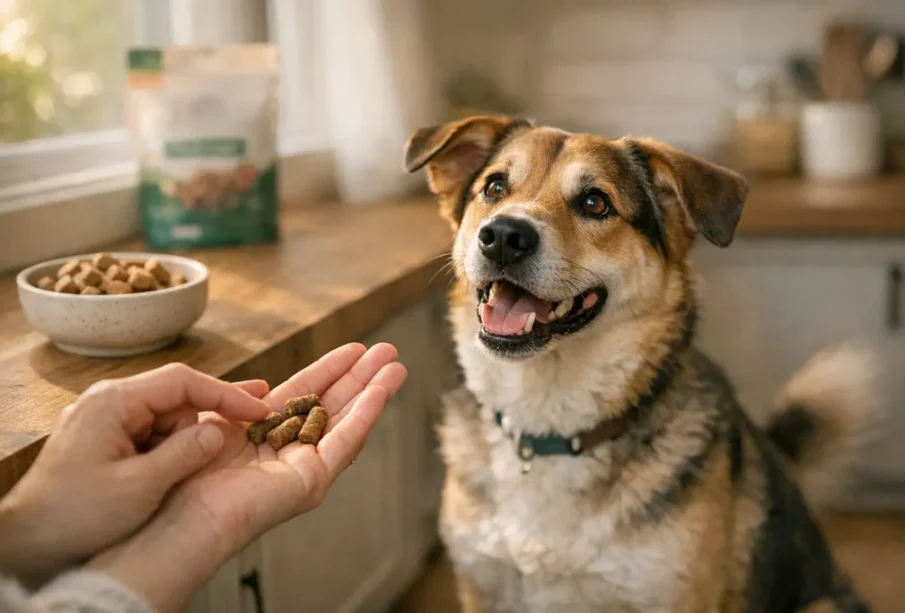
Dog treats are more than just a tasty reward—they play an important role in training, enrichment, and even your dog’s overall wellbeing. But with so many options on the market (and plenty of confusing labels), it can be tricky to know what’s actually worth adding to your dog’s routine.
Whether you’re raising a playful puppy or caring for an older companion, understanding what goes into your dog treats—and why it matters—can help you make more confident, informed choices.
What are dog treats really for?
Most dog owners reach for treats as a way to reward good behaviour, but their role goes beyond that.
Dog treats can support:
- Training and behaviour reinforcement
- Mental stimulation and enrichment
- Dental health (through chewing)
- Bonding moments between you and your dog
Used thoughtfully, treats become a communication tool. They help your dog understand what’s expected while making the learning process enjoyable.
Not all dog treats are created equal
One of the biggest challenges for modern pet parents is navigating the difference between heavily processed treats and more natural options.
Many supermarket treats contain:
- Artificial preservatives
- Fillers and additives
- Flavour enhancers
- Unclear or imported ingredient sources
This lack of transparency is a common frustration for dog owners who want to feed their pets the same way they feed themselves—simple, real, and trustworthy food.
On the flip side, there’s a growing shift towards single-ingredient or minimally processed treats, where what you see is what you get.
Why ingredient simplicity matters
Dogs thrive on straightforward, species-appropriate foods. Treats made from a single protein source—like beef, chicken, or kangaroo—are easier to digest and less likely to cause sensitivities.
Simple treats can offer:
- Better digestibility
- Reduced risk of allergies
- Clearer nutritional value
- Greater transparency for pet owners
Brands like WAG have built their approach around this idea—focusing on natural, single-ingredient treats with no added fillers or preservatives. Rather than reinventing the wheel, the goal is to keep things as close to nature as possible.
Choosing the right type of treat
Different situations call for different treats. Here’s how to match the treat to the moment.
Training treats: small, quick, and rewarding
When you’re working on obedience or behaviour training, size and convenience matter. You want something:
- Small and easy to chew
- Quick to deliver
- Highly appealing to your dog
This is where dedicated options like dog training treats come into play. They’re designed to keep your dog focused without interrupting the flow of training.
Protein-based treats: everyday rewards
Protein-rich treats are a staple for many dog owners. They’re satisfying, nutrient-dense, and generally well-loved by dogs.
For example, Beef Dog Treats are a popular option thanks to their flavour and versatility. They can be used for both training and general rewarding, depending on how they’re portioned.
Novel proteins: for sensitive dogs
Some dogs don’t tolerate common proteins like chicken or beef very well. In these cases, alternative proteins can be a helpful option.
Kangaroo dog treats are often considered a lean, novel protein source. They’re commonly chosen by dog owners looking to avoid allergens or support dogs with sensitivities.
The role of treats in training
Treats are one of the most effective tools in positive reinforcement training. The idea is simple: reward the behaviour you want to see more of.
When used correctly, treats can help:
- Speed up learning
- Build confidence
- Strengthen your bond with your dog
The key is timing and consistency. Deliver the treat immediately after the desired behaviour so your dog can make the connection.
It’s also worth rotating treat types to keep things exciting—dogs can get bored with repetition just like we do.
Treats and portion control
Even the healthiest treat should still be given in moderation.
A good rule of thumb: treats should make up no more than 10% of your dog’s daily calorie intake.
To manage this:
- Break larger treats into smaller pieces
- Adjust meal portions slightly if needed
- Use lower-calorie options during frequent training sessions
This helps maintain a healthy weight while still allowing for plenty of rewarding moments.
What to look for on the label
Reading treat labels can feel overwhelming, but focusing on a few key things can make it easier.
Look for:
- Clear ingredient lists (ideally short and recognisable)
- Named protein sources (e.g. “beef” instead of “meat by-products”)
- Country of origin
- No artificial additives or preservatives
Transparency is a strong indicator of quality. If it’s hard to understand what’s in the treat, it’s worth questioning whether it belongs in your dog’s diet.
Natural doesn’t mean one-size-fits-all
While natural treats are a great option for many dogs, every dog is different.
Factors to consider include:
- Age (puppy vs senior)
- Size and chewing strength
- Dietary sensitivities
- Activity level
For example, harder chews may be great for strong chewers but not suitable for older dogs with dental issues.
If you’re unsure, it’s always a good idea to speak with your vet for tailored advice. What works for one dog might not work for another.
The growing shift towards better treats
Over the past decade, there’s been a noticeable shift in how people shop for dog treats. Pet owners are asking more questions about:
- Where ingredients come from
- How products are made
- What’s actually inside the bag
This shift has driven the rise of brands like WAG, which started with a simple idea—offering clean, single-ingredient treats sourced locally and made with minimal processing.
It reflects a broader trend: treating pets as family and holding their food to higher standards.
Final thoughts
Dog treats might seem like a small part of your dog’s routine, but they can have a big impact on training, health, and daily happiness.
Choosing better treats doesn’t have to be complicated. Focus on:
- Simple, recognisable ingredients
- Treats suited to your dog’s needs
- Transparency from the brand
From there, it’s all about balance—using treats to support your dog’s wellbeing without overdoing it.
At the end of the day, treats are about connection. Whether it’s rewarding a new trick, celebrating a small win, or just sharing a moment together, the right treat helps make those everyday interactions a little more meaningful (and a lot more tail-waggy). 🐾