Guardians in White Coats: The Vital Role and Evolving World of Veterinary Medicine
Introduction: Where Compassion Meets Science
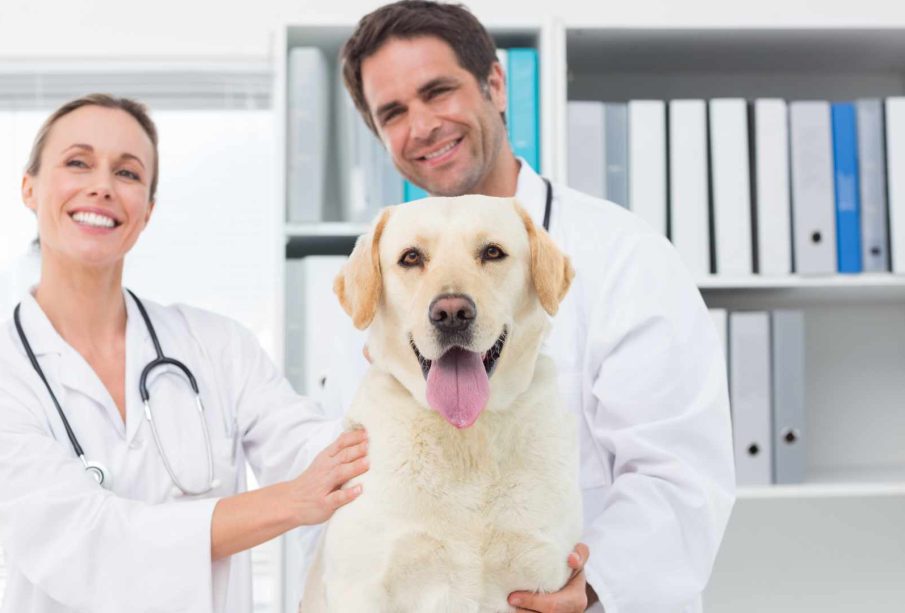
In a world where animals occupy cherished spaces in our homes, farms, zoos, and even the wild, the role of veterinarians transcends the simple notion of treating illness. These highly trained professionals are guardians of life—charged not only with healing but with preserving health, preventing suffering, and maintaining the delicate balance between humans and the animal kingdom. Veterinary medicine is a field where scientific precision meets emotional sensitivity, demanding not just knowledge, but extraordinary empathy and resilience. As society’s bond with animals continues to deepen, the relevance of veterinary care has never been more critical—or more complex.
The Scope of Veterinary Medicine: Beyond Pet Care
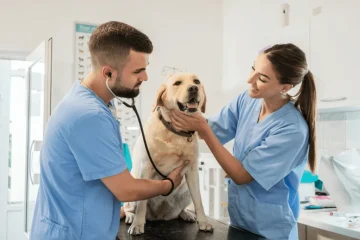
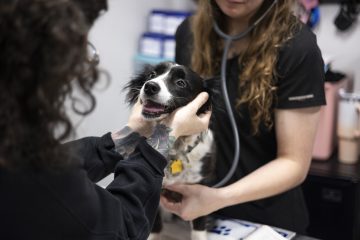
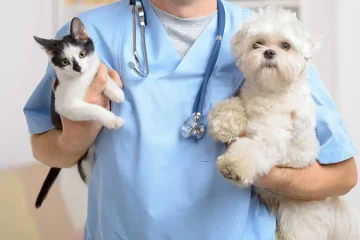
When most people think of veterinarians, images of doctors in crisp coats tending to beloved cats or dogs may come to mind. While this forms a substantial and visible portion of veterinary practice, the field is much broader, encompassing multiple disciplines that stretch across both domesticated and wild animals.
Key areas of veterinary medicine include:
-
Companion animal care: The most recognized facet, dealing with domestic pets such as dogs, cats, birds, and small mammals.
-
Large animal and farm animal care: Focused on livestock like cattle, horses, pigs, and poultry. These veterinarians often travel to rural areas and play a crucial role in food safety and agricultural sustainability.
-
Wildlife and conservation medicine: Involves working with endangered species, habitat preservation, and rehabilitation efforts in collaboration with environmental organizations.
-
Exotic animal practice: Specialized care for non-traditional pets such as reptiles, amphibians, and exotic birds.
-
Veterinary research and pathology: Conducting studies on animal diseases, zoonotic threats (those transmittable to humans), vaccine development, and drug testing.
-
Public health and regulatory medicine: Ensuring food safety, overseeing animal imports/exports, and managing disease outbreaks at a governmental level.
The field is impressively diverse, reflecting the interconnectedness of all living species through the lens of One Health—a holistic approach that recognizes the link between human, animal, and environmental health.
Education and Expertise: The Making of a Veterinarian
Becoming a veterinarian requires more than a fondness for animals. It demands academic rigor, clinical training, and a deep ethical commitment. In most countries, aspiring veterinarians must complete a rigorous undergraduate program in the sciences before enrolling in a four- to six-year veterinary school. The curriculum combines anatomy, physiology, microbiology, pharmacology, surgery, and clinical rotations, equipping students with both theoretical understanding and practical skills.
Additional qualifications may include:
-
Licensing examinations to practice legally within a country or region
-
Postgraduate specialization in fields such as cardiology, dermatology, oncology, or anesthesia
-
Continuing education to stay current with rapidly evolving techniques, technologies, and treatments
Veterinary professionals often enter the field with a strong sense of mission. However, they must also be prepared for the emotional weight of their work, which frequently involves life-and-death decisions, challenging ethical dilemmas, and high levels of stress.
The Daily Reality: Precision, Empathy, and Complexity
No two days in a veterinarian’s life are ever the same. They may move from performing a routine vaccination to managing a traumatic injury or delivering difficult news to a grieving pet owner. Unlike human patients, animals cannot articulate their symptoms—making diagnostic skills and observational acuity essential.
Common tasks in veterinary practice include:
-
Conducting wellness exams and administering vaccines
-
Diagnosing and treating illnesses or injuries
-
Performing surgeries ranging from routine spaying to complex orthopedic procedures
-
Interpreting lab results, radiographs, and ultrasounds
-
Educating owners on nutrition, behavior, and preventive care
-
Euthanizing animals humanely when suffering is irreversible
Veterinarians must also possess sharp communication skills. Translating medical jargon into understandable language for clients, managing expectations, and offering comfort during distressing moments are as important as clinical proficiency.
The Human-Animal Bond: At the Heart of Veterinary Practice
Veterinary medicine thrives on the deep emotional connections between humans and animals. For many people, pets are not merely animals but family members. This sentiment brings depth and meaning to the work but also introduces profound emotional stakes. A vet does not only treat a dog with cancer—they support the child who calls that dog their best friend.
Ways the human-animal bond shapes veterinary care:
-
Motivates early detection and treatment through regular checkups
-
Encourages higher standards of preventive care
-
Demands emotional intelligence from veterinary staff in times of grief
-
Influences ethical considerations in treatment plans and end-of-life decisions
The veterinary clinic becomes a space of trust, one where love for animals meets professional excellence.
Challenges Facing the Veterinary Profession
Despite the noble nature of their work, veterinarians often face significant challenges—many of which are invisible to the public eye.
Key issues include:
-
Emotional burnout: Constant exposure to suffering, ethical quandaries, and client grief can take a psychological toll.
-
High debt and modest income: Veterinary education is expensive, and compensation often does not reflect the years of training or intensity of the work.
-
Work-life balance: Long hours, emergency calls, and high demands contribute to personal sacrifices.
-
Client expectations and misinformation: The rise of internet self-diagnosis and financial pressures sometimes creates friction between clients and vets.
Support systems, mental health awareness, and systemic reforms are essential to preserving the wellbeing of those who dedicate their lives to animal health.
The Future of Veterinary Medicine: Innovation and Integration
The veterinary field is undergoing a quiet revolution, driven by technological advancements and a growing understanding of interspecies health.
Notable trends shaping the future include:
-
Telemedicine: Remote consultations, particularly for minor issues, are becoming more prevalent.
-
AI diagnostics: Machine learning is being used to analyze X-rays, pathology slides, and genetic data with increasing accuracy.
-
Minimally invasive surgeries: Techniques like laparoscopy are reducing recovery time and improving outcomes.
-
Cross-disciplinary collaboration: Vets are working more closely with human doctors, ecologists, and policymakers to tackle global challenges like pandemics and antibiotic resistance.
The future of veterinary medicine is integrative, compassionate, and data-driven—ensuring not only longer lives for animals but healthier ecosystems and communities.
Conclusion: The Noble Calling of Veterinary Care
Veterinary medicine is not merely a career—it is a vocation rooted in deep care for the voiceless. It requires the intellect of a scientist, the hands of a surgeon, and the heart of a caregiver. In every farm, forest, home, or clinic, veterinarians quietly uphold the sacred pact between humans and animals: to protect, to heal, and to respect life in all its forms.
As we continue to reimagine our relationship with the natural world, veterinary professionals stand as essential stewards, bridging biology and compassion, science and soul. In honoring their work, we not only safeguard the lives of animals—we enrich our own.