The Connection Between Veterinary Care and Pet Longevity
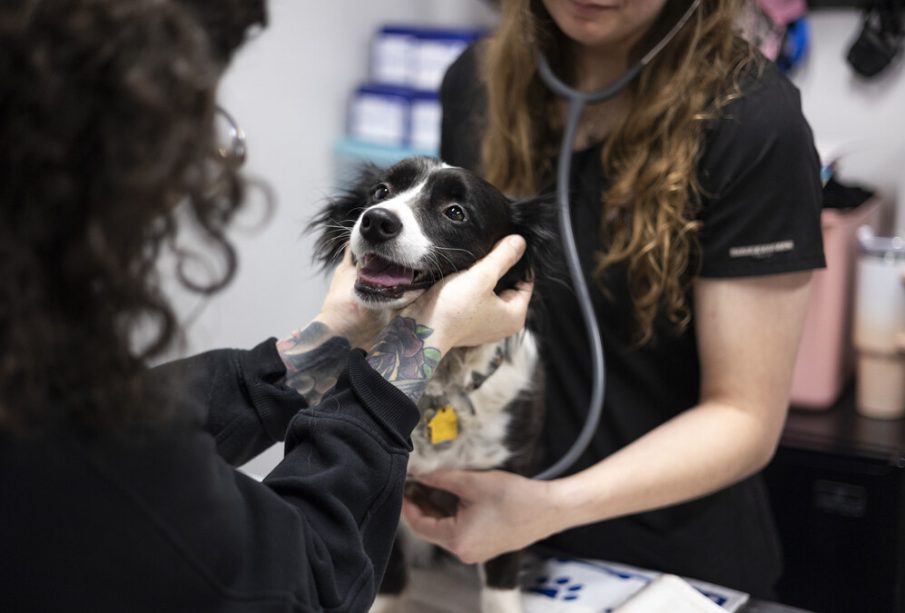
Modern veterinary medicine has advanced by leaps and bounds over the past few decades, fundamentally changing what it means to be a pet owner. Animals that once succumbed to preventable diseases or age-related complications now live active, vibrant lives well into their senior years. This remarkable increase in life expectancy is not a matter of pure chance. It stems directly from a proactive partnership between dedicated pet owners and veterinary professionals. Understanding how clinical care, preventative diagnostics, and routine health maintenance influence a pet lifespan helps owners make informed choices that add healthy, joyful years to their animal companions’ lives.
The Shift from Reactive Treatment to Preventative Medicine
Historically, veterinary visits typically occurred only when an animal fell visibly ill or suffered an obvious injury. This reactive approach meant veterinarians often intervened after a disease had already progressed to an advanced, difficult-to-treat stage. Today, veterinary medicine focuses heavily on preventative care, intercepting health issues before symptoms ever manifest outwardly.
Preventative medicine involves regular wellness examinations, comprehensive laboratory screenings, customized parasite control, and timely vaccinations. Pets age much faster than humans, meaning a single calendar year can translate into several biological aging years. Routine annual or biannual wellness visits act as an early warning system, allowing your veterinarian to track subtle physiological changes over time and catch developing conditions while they remain manageable or completely reversible.
The Power of Early Detection and Diagnostics
Animals possess a powerful evolutionary instinct to mask signs of illness or pain, a survival trait inherited from their wild ancestors to avoid appearing vulnerable to predators. By the time a pet displays obvious symptoms of sickness, the underlying disease may have already caused significant internal damage.
Advanced veterinary diagnostics bridge this gap by revealing hidden internal problems long before physical symptoms appear. Routine wellness blood panels, urinalysis, digital radiography, and ultrasound imaging allow veterinarians to evaluate organ function, detect microscopic changes in blood cell counts, and spot tumors or structural abnormalities in their earliest, most treatable phases.
-
Kidney Disease Screening: Catching declining renal function early allows for dietary and medical interventions that slow disease progression significantly.
-
Liver Enzyme Monitoring: Identifying enzyme elevations helps detect toxins, infections, or metabolic disorders before permanent organ failure occurs.
-
Thyroid Testing: Regular checks catch hormonal imbalances in older cats and dogs, restoring their energy levels and metabolic health.
Nutrition and Weight Management as Longevity Pillars
Dietary choices play a massive, direct role in determining how long and how well a pet lives. Obesity has become one of the most prevalent and dangerous health threats facing modern domestic pets, shortening lifespans and drastically increasing the risk of chronic conditions.
Excess body weight places continuous, heavy mechanical strain on joints, accelerating the development of painful osteoarthritis. Furthermore, fat tissue is not inert; it actively secretes inflammatory chemicals that promote systemic disease, including diabetes, heart conditions, and certain types of cancer. Veterinarians provide customized nutritional counseling based on your pet’s specific age, breed, weight, metabolic rate, and activity level. Maintaining a lean, athletic body condition through precise portion control and balanced nutrition adds years of mobility and vitality to your pet life.
The Critical Role of Parasite Prevention
Internal and external parasites do more than cause temporary itching or localized discomfort; they act as silent vectors for devastating, life-threatening diseases.
-
Heartworms: Transmitted by infected mosquitoes, heartworms lodge themselves inside the heart chambers and major lung blood vessels, causing fatal cardiopulmonary damage if left untreated. Consistent monthly preventative medications are safe, highly effective, and essential for long-term survival.
-
Ticks: Ticks transmit dangerous pathogens such as Lyme disease, anaplasmosis, and ehrlichiosis, which cause chronic joint pain, fever, and severe kidney complications.
-
Fleas and Intestinal Worms: Fleas cause severe skin allergies and transmit tapeworms, while roundworms and hookworms rob pets of vital nutrients and cause severe gastrointestinal distress.
Dental Health and Systemic Longevity
Oral health is frequently overlooked by pet owners, yet it has a profound, direct impact on systemic health and overall life expectancy. Poor dental hygiene leads to the accumulation of plaque and hardened tartar, providing an ideal breeding ground for harmful bacteria.
As periodontal disease advances, gums become inflamed, bleeding, and painful, allowing oral bacteria to enter the bloodstream directly. Once inside the circulatory system, these bacteria travel to major internal organs, causing secondary infections and chronic inflammation in the heart, liver, and kidneys. Routine professional veterinary dental cleanings, paired with daily at-home brushing and dental chews, eliminate oral bacteria and protect vital organ function, preventing premature organ decline.
The Impact of Spaying and Neutering
Surgical sterilization remains a cornerstone of preventative veterinary care, offering significant health benefits alongside population control. Spaying female pets before their first heat cycle drastically reduces the incidence of life-threatening uterine infections known as pyometra, as well as significantly lowering the risk of malignant mammary tumors. Neutering male pets eliminates the risk of testicular cancer and dramatically reduces the incidence of prostate problems and hormone-driven behavioral stress. These surgical interventions remove major sources of disease, contributing directly to a longer, healthier life span.
Frequently Asked Questions
How often should senior pets visit the veterinarian for checkups?
Once pets reach their senior years, typically around age seven depending on breed and species, veterinary wellness visits should increase from once a year to every six months. Senior pets age at an accelerated rate, making biannual examinations vital for catching age-related diseases quickly.
Why are annual blood tests recommended even if my pet acts completely healthy?
Annual blood panels establish a baseline for your specific pet’s normal biological chemistry. If values begin shifting slightly outside the normal range, veterinarians spot trends early, allowing for dietary or lifestyle adjustments before clinical disease develops.
Can indoor-only pets skip core vaccinations and parasite preventatives?
Indoor pets face lower exposure rates to certain infectious diseases, but they are still vulnerable. Mosquitoes slip through open doors and windows carrying heartworms, visitors track in fleas on clothing, and accidental escapes happen. Core vaccinations and parasite preventatives remain necessary for comprehensive protection.
How does chronic untreated pain shorten a pet lifespan?
Chronic pain causes persistent physiological stress, elevates stress hormones, disrupts restful sleep, and leads to severe muscle atrophy and immobility. This downward spiral compromises immune function and degrades overall quality of life, indirectly shortening lifespan.
Are breed-specific health screenings truly necessary for mixed-breed pets?
While purebred animals carry well-documented genetic predispositions to specific inherited conditions, mixed-breed pets inherit diverse genetic traits. Veterinarians assess individual physical conformation, lifestyle, and history to recommend targeted screenings that benefit any dog or cat regardless of lineage.
What is the most common preventable cause of shortened life expectancy in pets?
Obesity stands out as the most common and entirely preventable factor that shortens pet lifespans. Managing caloric intake and ensuring daily physical activity provides one of the single greatest returns on investment for long-term health.