

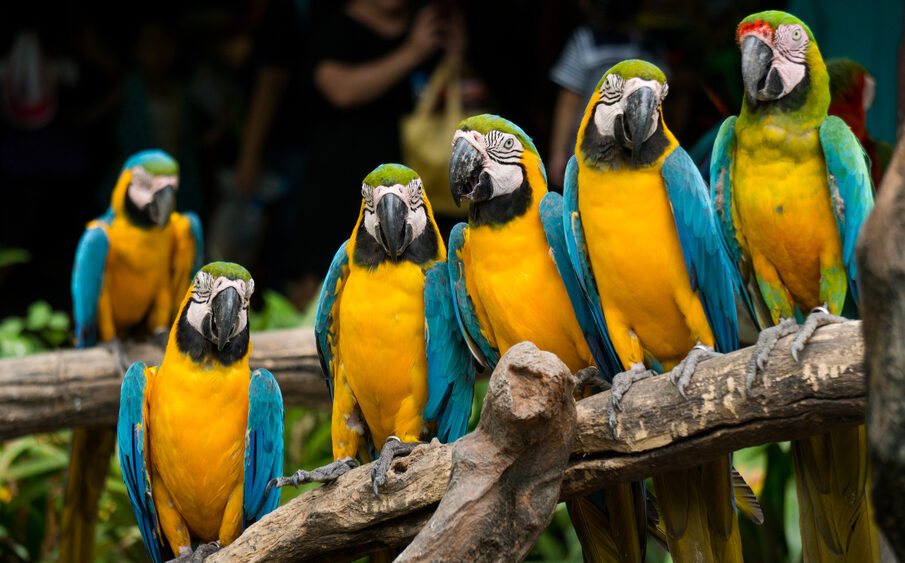
Introduction: A Symphony in Feathers
Birds have fascinated humanity for centuries, gracing our myths, songs, and art with their elegance, freedom, and beauty. From the regal glide of an eagle across a mountainous skyline to the gentle warble of a robin at dawn, birds occupy a singular place in the natural world and in our collective imagination. These feathered marvels not only adorn our skies, forests, and wetlands but also play essential roles in ecosystems, symbolizing both fragility and resilience. To understand birds is to glimpse a unique expression of life itself—refined, resourceful, and astonishingly diverse.
The Evolutionary Elegance of Birds
The story of birds begins over 150 million years ago, with their descent from theropod dinosaurs. This evolutionary journey, marked by the development of feathers, hollow bones, and the ability to fly, culminated in the avian diversity we see today. Birds are classified in the class Aves, encompassing over 10,000 known species, each finely tuned to its ecological niche.
Their evolutionary adaptations are nothing short of extraordinary. The transformation of forelimbs into wings, the development of lightweight skeletal structures, and the refinement of respiratory and circulatory systems allow birds to achieve powered flight—a feat unmatched in the animal kingdom apart from insects and bats. Yet not all birds take to the skies. The ostrich, kiwi, and penguin, for instance, have adapted to terrestrial or aquatic life with equal finesse.
Avian Anatomy: Built for the Sky
Birds are masterpieces of biological engineering. Every aspect of their anatomy serves a purpose:
-
Feathers: More than mere plumage, feathers provide insulation, enable flight, and even serve in courtship displays. Some birds, like peacocks, use iridescent tail feathers as part of elaborate mating rituals.
-
Wings: Varying in shape and size depending on function—broad wings for soaring, pointed wings for speed—avian wings are tailored to flight styles and environments.
-
Beaks: Beaks have evolved to suit diverse diets. The curved beak of a hawk is ideal for tearing flesh, while the long, slender beak of a hummingbird is designed for sipping nectar.
-
Hollow Bones: These reduce body weight without sacrificing strength, facilitating flight with remarkable efficiency.
Birds also possess highly developed senses. Their vision, often far superior to that of humans, is crucial for navigation, hunting, and recognizing mates or rivals. Certain species, like owls, have acute hearing adapted to nocturnal life, allowing them to locate prey in near-total darkness.
Diversity and Distribution
Birds inhabit nearly every corner of the globe, from arid deserts to the icy reaches of Antarctica. Their adaptability is unmatched:
-
Forest dwellers: Species like the woodpecker and toucan thrive in dense jungles, using specialized beaks to forage among trees.
-
Wetland species: Herons, ducks, and flamingos are at home in marshes and lakes, feeding on aquatic life.
-
Urban survivors: Pigeons, sparrows, and crows have adjusted seamlessly to city life, a testament to their intelligence and resilience.
Seasonal migrations, some spanning thousands of miles, are another extraordinary aspect of avian life. The Arctic tern, for example, travels from the Arctic to the Antarctic and back each year—a round trip of over 40,000 miles. These migratory journeys, often involving complex navigation and precise timing, remain one of nature’s greatest marvels.
The Language of Birds: Songs and Signals
Birdsong is one of nature’s most enchanting gifts. Birds communicate through a range of vocalizations and displays, each serving distinct purposes:
-
Territorial calls: Warn off intruders and establish dominance
-
Mating songs: Attract potential partners and reinforce pair bonds
-
Alarm calls: Signal predators or coordinate group movements
Some species, such as the mockingbird or lyrebird, can mimic the sounds of other animals—and even human-made noises. These vocal talents are not merely aesthetic; they play a critical role in survival and social interaction.
Intelligence in Feathers
Long dismissed as instinct-driven creatures, birds have steadily impressed scientists with their cognitive capabilities. Corvids (crows, ravens, jays) and parrots, in particular, exhibit signs of complex problem-solving, memory, and even rudimentary tool use.
Studies have documented crows fashioning hooks from twigs to extract insects from crevices. African grey parrots can associate words with meanings and solve puzzles that rival the cognitive level of a young child. Such findings challenge the boundaries of how we understand intelligence across species.
Birds and Humanity: A Complicated Bond
Birds have inspired poets, guided sailors, and served as omens or messengers in cultures across the world. Yet, our relationship with them is not always benign. Habitat destruction, climate change, pollution, and the illegal pet trade threaten avian populations at an alarming rate.
Despite these challenges, conservation efforts have yielded hope. The resurgence of species like the bald eagle and California condor highlight the success of targeted initiatives. Bird sanctuaries, protected wetlands, and international agreements continue to play pivotal roles in safeguarding their future.
Birdwatching—once a niche hobby—has grown into a global passion, fostering both appreciation and activism. Armed with binoculars and field guides, enthusiasts contribute to citizen science projects that monitor bird populations and migration patterns.
Why Birds Matter
Beyond their beauty and symbolism, birds are essential components of ecological balance. They act as pollinators, seed dispersers, pest controllers, and scavengers. Their presence is an indicator of environmental health—when birds thrive, ecosystems flourish.
Moreover, birds connect us to the natural world in profound ways. Their songs punctuate our mornings, their migrations mark the turning of seasons, and their silhouettes against the sky remind us of freedom, fragility, and the interconnectedness of life.
Conclusion: Guardians of the Sky
In a world increasingly dominated by human activity, birds remain steadfast reminders of nature’s ingenuity and grace. They are ambassadors of the wild, winged emissaries that challenge us to look up, listen closely, and live in greater harmony with the world around us.
To protect birds is not merely to save a species—it is to safeguard beauty, balance, and a legacy that spans both time and continents. In cherishing birds, we honor the sky itself.


-

Cages for Small Animals – A Buyer’s Guide
February 28, 2023 -

Recognising and Avoiding Puppy Mills
June 20, 2022 -

Simple Methods For You To Assist In Preventing Animal Cruelty
February 23, 2018
Latest Posts
-

-

Foods Cats Should Never Eat: Protecting Pets from Harm
June 21, 2026 -

-

-

Discussing The Common Causes of Dog Diarrhoea in Pets
April 19, 2026
Recent Posts
- How To Use Dermestid Beetles for Professional Bone Cleaning? July 16, 2026
- Foods Cats Should Never Eat: Protecting Pets from Harm June 21, 2026
- First Aid Pet Care: Emergency Steps Before Reaching the Veterinary Clinic May 22, 2026
- Best Kitten Food Choices for Healthy Growth and Strong Immunity May 15, 2026
- Discussing The Common Causes of Dog Diarrhoea in Pets April 19, 2026