Avian Majesty: Exploring the Secret Lives and Silent Contributions of Birds
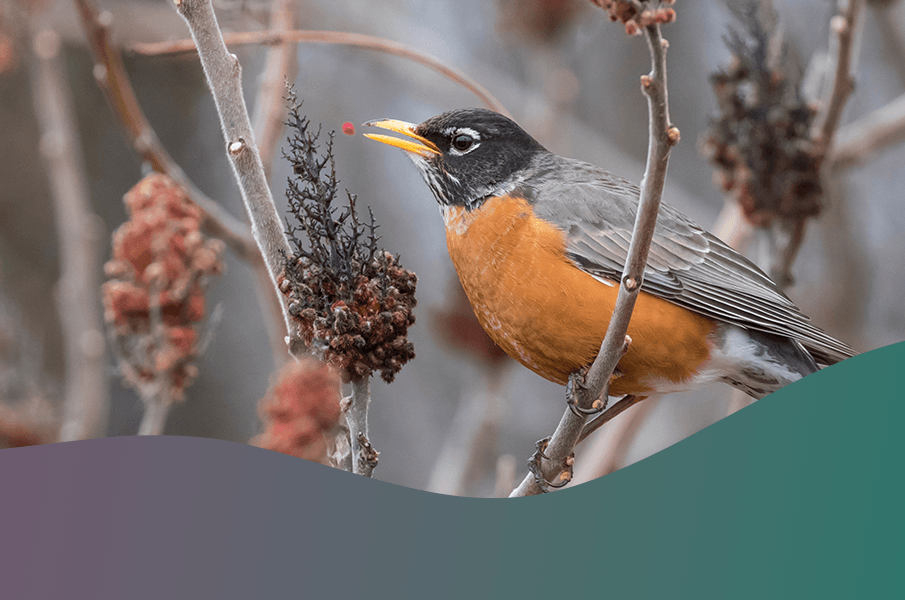
Introduction: More Than Just Creatures of the Sky
Birds are far more than fleeting silhouettes against the morning light or melodious voices that usher in the dawn. They are storytellers of evolution, guardians of balance, and quiet participants in the fabric of our planet’s ecology. With their grace in flight, astonishing adaptability, and symbolic richness, birds inhabit not only the skies but also the stories, dreams, and livelihoods of cultures around the world. Understanding birds is not simply an exercise in biology—it is an invitation to see the world with greater wonder and awareness.
Origins of Flight: The Ancient Lineage of Birds
The tale of birds is a dramatic saga stretching back over 150 million years. Descendants of theropod dinosaurs, birds are the only surviving lineage from that mighty prehistoric family. Their emergence marks one of evolution’s most elegant success stories—where scales gave way to feathers, and land-bound limbs transformed into aerodynamic wings.
Over the millennia, this lineage split into a breathtaking array of forms. From the massive, flightless cassowary of the Australian forests to the delicate, sky-dancing hummingbird of the Americas, birds have colonized nearly every habitat on Earth. This evolutionary versatility is one of their defining traits and key to their ongoing survival.
Anatomy of a Marvel: The Design of Birds
Birds are finely crafted machines of nature. Every aspect of their structure—from their hollow bones to their intricate feathers—serves a functional, evolutionary purpose. This natural engineering allows them to do what few other creatures can: take to the air with agility and grace.
Key anatomical features of birds include:
-
Feathers: Made of keratin, feathers serve multiple purposes—enabling flight, regulating body temperature, and aiding in mating displays or camouflage.
-
Wings: The shape and size of wings determine a bird’s flight pattern. Long, narrow wings suit fast-flying birds like swifts, while broad wings help raptors soar on thermals.
-
Beaks: With remarkable variety, beaks reflect dietary needs—curved for raptors, slender for nectar feeders, or strong and conical for seed eaters.
-
Respiratory system: Birds have a unique system that allows continuous airflow through their lungs, enabling high-efficiency breathing—crucial during flight.
-
Skeleton: Lightweight yet strong, their bones are pneumatized (air-filled), helping reduce weight without compromising structural integrity.
This intricate coordination of biology and physics allows birds to perform seemingly effortless feats—from hovering in place to gliding across entire continents.
A Tapestry of Diversity
With over 10,000 known species, birds are among the most diverse groups of animals on Earth. Their range is global, extending from the frozen tundra to tropical rainforests, arid deserts to bustling cities. Each species is adapted to its own ecological role, forming a complex web of life that supports broader ecosystems.
Examples of avian diversity include:
-
The Arctic Tern, which undertakes the longest migration of any animal—traveling from pole to pole each year
-
The Lyrebird, capable of mimicking chainsaws, camera shutters, and other sounds from its environment
-
The Shoebill Stork, an ancient-looking bird with a prehistoric gaze and a bill like a boat
-
The Weaverbird, an architect of the avian world, whose nests resemble woven baskets of remarkable complexity
This diversity is more than a curiosity—it serves ecological functions vital to planetary health.
Birds as Ecological Stewards
Birds are nature’s unsung heroes. While their songs and plumage draw the eye and ear, their daily routines are acts of ecological service. By pollinating plants, dispersing seeds, and controlling insect populations, birds ensure the health and regeneration of natural systems.
Their ecological roles include:
-
Pollination: Many tropical birds, including hummingbirds and sunbirds, pollinate flowers as they feed on nectar.
-
Seed Dispersal: Frugivorous birds consume fruit and scatter seeds across great distances, facilitating forest renewal.
-
Pest Control: Insectivorous birds such as swallows and flycatchers help regulate insect populations, benefiting both natural and agricultural systems.
-
Scavenging: Vultures and other scavengers prevent the spread of disease by consuming animal remains, playing a vital role in nutrient cycling.
Where birds thrive, so too do the ecosystems they inhabit. Their absence often signals deeper ecological imbalances.
Intelligence and Communication: The Hidden Depths
Birds are not mere automatons driven by instinct. Many species display remarkable intelligence, memory, and emotional complexity. Corvids—crows, ravens, and magpies—have been observed using tools, solving puzzles, and even participating in social rituals. Parrots can learn human language patterns, respond to questions, and demonstrate preferences and affection.
Communication among birds is equally sophisticated. Beyond melodic songs, birds use body language, coloration, and complex calls to convey messages. These signals are used to establish territory, attract mates, alert others to danger, and maintain group cohesion.
Fascinating facts about avian intelligence:
-
New Caledonian crows can create and modify tools to retrieve food from hard-to-reach places
-
African grey parrots have shown the ability to count, identify colors, and understand abstract concepts like “same” and “different”
-
Pigeons can recognize their own reflections and identify individual human faces—a rare trait in the animal world
These abilities challenge the long-held belief that birds are simple-minded and suggest a level of consciousness more complex than once imagined.
A Fragile Future: Birds in Peril
Despite their adaptability, birds face increasing threats from human activity. Habitat loss, pesticide use, glass collisions, invasive species, and climate change have led to a dramatic decline in bird populations worldwide. According to the Cornell Lab of Ornithology, North America alone has lost nearly 3 billion birds since 1970.
Yet hope is not lost. Conservation efforts, both local and global, have shown that bird populations can rebound when given a chance. Protected areas, reforestation, banning harmful chemicals, and public awareness campaigns have all contributed to successful recoveries.
Actions to protect birds include:
-
Supporting bird-friendly farming and forestry practices
-
Reducing light pollution during migration seasons
-
Installing window decals to prevent bird strikes
-
Advocating for climate policies that safeguard habitats
Birds cannot speak for themselves—but their silence would be deafening. The time to listen and act is now.
Conclusion: Listening to the Sky
Birds embody so much of what is beautiful, mysterious, and vital in the natural world. They are messengers of seasons, symbols of freedom, and keepers of ecological balance. To observe them is to glimpse evolution’s finest handiwork; to protect them is to honor a relationship as old as humanity itself.
In a world growing ever more fragmented, birds remain a unifying thread—singing the same songs over cities and forests alike, reminding us that wonder still exists, often just above our heads.