

Guardians of Animal Health: The Vital Role of Veterinary Medicine in a Changing World
Introduction: More Than Medicine, A Mission
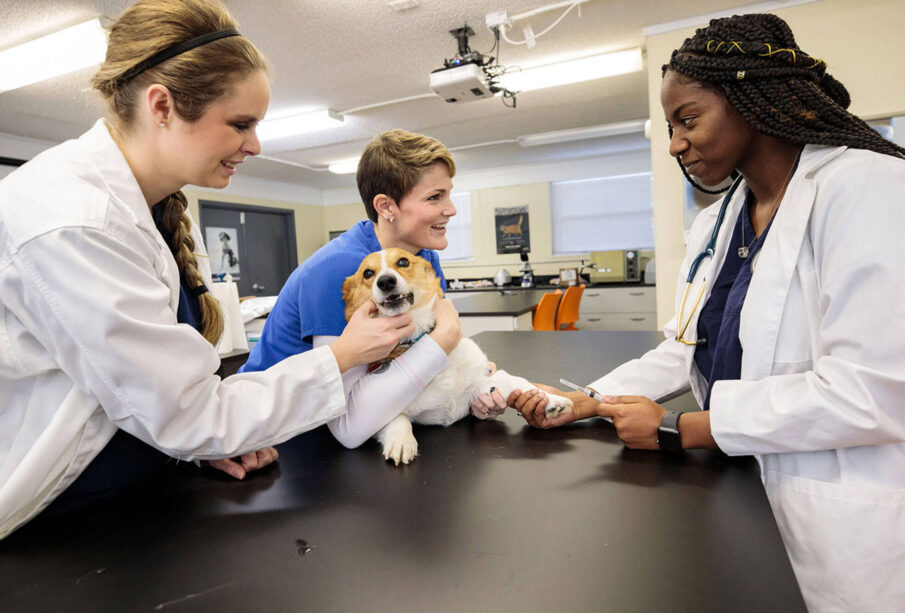
Veterinary medicine is far more than a profession—it is a calling rooted in compassion, science, and an unwavering commitment to animal welfare. Whether treating a beloved family dog, rescuing wildlife after natural disasters, or ensuring the health of livestock that sustains global food systems, veterinarians serve at the intersection of care, ethics, and science. Their work often goes unnoticed, yet it underpins not only the lives of animals but the well-being of humans and ecosystems alike. In an era of rapid environmental change, emerging diseases, and increased awareness of animal rights, the role of veterinary professionals has never been more vital—or more complex.
A Historical Perspective: From Rural Barns to Modern Clinics
The origins of veterinary medicine date back to ancient times, with records of animal doctors in Mesopotamia, Egypt, and India. Initially focused on horses and livestock—animals crucial for transport and agriculture—veterinary care was practical, often informal, and community-based. Over time, as our relationship with animals evolved, so too did veterinary science.
-
18th century: The first formal veterinary schools were established in Europe, notably in France, laying the foundation for modern veterinary education.
-
20th century: Companion animal care emerged as urban living and pet ownership became more prevalent, prompting a shift in veterinary priorities.
-
21st century: Today’s veterinarians are not only clinicians but also researchers, public health advocates, and environmental stewards.
This evolution reflects broader societal shifts—from animals as tools of labor to cherished companions and protected species.
The Diverse World of Veterinary Practice
Veterinary medicine encompasses a wide range of specializations and environments. It is a field marked by diversity—both in the species treated and the roles performed.
-
Companion animal veterinarians: These are the most familiar figures, caring for pets like dogs, cats, rabbits, and exotic animals. Their services include diagnostics, surgery, dentistry, nutrition, and behavioral counseling.
-
Livestock and agricultural vets: Essential to food security, they manage herd health, oversee biosecurity measures, and monitor disease outbreaks in cattle, sheep, poultry, and swine.
-
Wildlife and zoo vets: These specialists focus on conservation, population health, and the ethical care of animals in sanctuaries, reserves, and zoological parks.
-
Equine veterinarians: Experts in the care of horses, they often work in both clinical and sports medicine capacities, ensuring the well-being of horses used in competition and agriculture.
-
Veterinary researchers and pathologists: Behind the scenes, these professionals advance medical knowledge, develop vaccines, and help combat zoonotic diseases.
The scope is vast, but the mission remains unified: to promote animal health, prevent suffering, and support the delicate balance between species and environment.
Daily Challenges and Unseen Responsibilities
A veterinarian’s work is often physically demanding, emotionally taxing, and intellectually complex. Each case presents unique challenges, requiring not only medical expertise but empathy, communication skills, and ethical judgment.
-
Emotional toll: Treating injured or terminally ill animals, navigating euthanasia decisions, and supporting grieving pet owners takes a significant emotional toll.
-
Complex diagnostics: Since animals can’t verbalize their symptoms, vets rely on observational analysis, physical exams, lab results, and advanced imaging to reach a diagnosis.
-
Ethical dilemmas: Vets often balance medical recommendations with owners’ emotional and financial capacities, making difficult decisions about treatment and care.
Despite these pressures, veterinarians continue to serve with dignity and compassion, placing the animal’s welfare at the heart of every decision.
Veterinary Education: A Rigorous Path to Practice
Becoming a veterinarian requires years of dedicated study, practical training, and ongoing professional development. It is a journey marked by academic intensity and a deep passion for animals.
-
Undergraduate studies: Most aspiring vets begin with a bachelor’s degree focused on biological sciences, animal studies, or pre-veterinary coursework.
-
Veterinary school: A Doctor of Veterinary Medicine (DVM) or equivalent program typically lasts four years and includes classroom instruction, laboratory work, and clinical rotations.
-
Licensing and certification: Upon graduation, vets must pass rigorous licensing exams. Many also pursue internships, residencies, and board certification in specialties such as surgery, dermatology, or internal medicine.
Continuing education is essential, as the field constantly evolves with new treatments, technologies, and global health challenges.
The Link Between Animal and Human Health
Veterinarians play a crucial role in One Health—a holistic approach that recognizes the interconnectedness of animal, human, and environmental health. Their work helps prevent the spread of diseases that can jump from animals to humans, known as zoonoses.
-
Monitoring public health threats: Veterinarians identify and respond to outbreaks like avian flu, rabies, and leptospirosis.
-
Ensuring food safety: By overseeing the health of livestock and poultry, they help ensure that food is free of contaminants and disease.
-
Environmental advocacy: Vets contribute to biodiversity conservation, habitat protection, and sustainable animal husbandry practices.
This multidimensional impact places veterinary professionals among the quiet guardians of global health.
Emerging Trends and Innovations
Veterinary medicine is embracing innovation, with advancements that are reshaping diagnostics, treatment, and care delivery.
-
Telemedicine: Virtual consultations are becoming more common, offering convenience for pet owners and early intervention for animal patients.
-
Regenerative therapies: Stem cell treatments and tissue engineering are opening new frontiers in healing chronic conditions and injuries.
-
AI and data analysis: Artificial intelligence is being used to interpret imaging results and predict disease patterns, improving diagnostic speed and accuracy.
-
Personalized nutrition and care: Tailored diets and genetic testing are allowing for more customized and preventive approaches to pet health.
These trends reflect a broader movement toward proactive, personalized, and technology-enhanced care in veterinary practice.
The Human-Animal Bond: At the Heart of Veterinary Work
At its core, veterinary medicine is about relationships—the bond between animal and human, and between veterinarian and client. This bond motivates veterinarians to work long hours, endure emotional hardship, and advocate fiercely for those who cannot speak for themselves.
-
Trust and communication: Successful veterinary care depends on strong communication between vet and pet owner, built on trust and mutual understanding.
-
Gratitude and joy: There is no greater reward than seeing an animal recover, thrive, and return to a loving home.
-
Lifelong connections: Many vets care for the same animals throughout their lives, forming lasting relationships with both pets and people.
This emotional depth gives veterinary medicine a richness that few other professions can match.
Conclusion: Champions of Animal Welfare in a Complex World
Veterinarians are unsung heroes—scientists, caregivers, educators, and advocates rolled into one. Their work is rooted in compassion but supported by rigorous science and unwavering ethical standards. As the challenges facing animal health evolve, from climate change to urbanization to emerging diseases, the importance of veterinary care only intensifies.
To care for animals is to care for our planet, our food systems, and our shared future. And behind every healthy pet, productive farm, or thriving wildlife population stands a dedicated veterinary professional—quietly working to protect the lives that so often go unnoticed, but are no less worthy of love, care, and respect

-

Use Different Ways for Relieving Your Dog from Boredom
March 3, 2021 -

Buy a branded puppy food to make your puppy happy
October 22, 2018 -

Latest Posts
-

-

Foods Cats Should Never Eat: Protecting Pets from Harm
June 21, 2026 -

-

-

Discussing The Common Causes of Dog Diarrhoea in Pets
April 19, 2026
Recent Posts
- How To Use Dermestid Beetles for Professional Bone Cleaning? July 16, 2026
- Foods Cats Should Never Eat: Protecting Pets from Harm June 21, 2026
- First Aid Pet Care: Emergency Steps Before Reaching the Veterinary Clinic May 22, 2026
- Best Kitten Food Choices for Healthy Growth and Strong Immunity May 15, 2026
- Discussing The Common Causes of Dog Diarrhoea in Pets April 19, 2026