4 Expert Ways to Teach Your Pet to Sleep in Its Own Bed
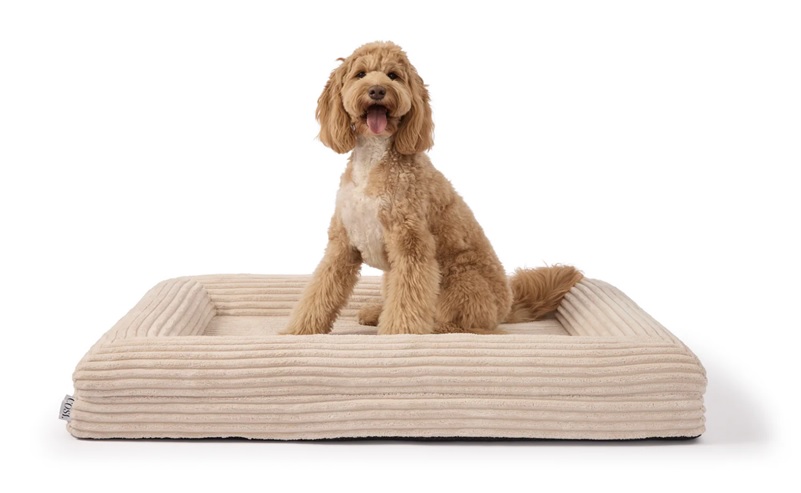
Photo by Cosi Beds
Have you recently decided that your cute puppy has now become too big for your bed? Or is your pet aggravating your allergies? It’s not uncommon for pet owners to decide at some point for their dogs to move into their own beds.
Investing in quality orthopaedic or memory foam dog beds is one of the best things you can do for a dog of any age. However, if your fur baby has been sleeping with you or the kids, it could be challenging to get them to adjust to the new bed. This post takes a closer look at a few key tips to help you get your pooch to sleep in their own bed.
Every Dog Needs Their Own Bed for Comfort and Care
Ideally, each of your dogs should have their own designated beds. This not only ensures they have the right joint and back support but also gives them a space where they feel safe and protected.
Getting your dog to relocate from a human bed to a new bed may not always be as easy as you think. This is especially true if they’ve been sleeping on your bed for years. Here are a few expert tips to get the process started.
1. Always Invest in Quality Orthopaedic Beds
No matter how cosy your bed is, it may not be the best option for a dog with specific needs. This is especially the case if you own an oodle (a poodle crossed with another breed), husky, or even a German Shepard. Some of these breeds are more susceptible to joint and back issues, which means they may need a bed that offers different support than their current sleeping spot.
It’s with this in mind that your first step should always be to invest in a quality dog bed. Our experts recommend choosing an orthopaedic bed as these offer a host of features that will provide your dog with the comfort and support it needs.
When buying a dog bed, keep the following pointers in mind:
- Size of your dog: Dogs come in a wide range of shapes and sizes, and so should their beds. Start the selection process by choosing a bed that your dog will fit comfortably on as an adult. Buying a puppy bed means you will have to invest in another bed later on.
- Choose quality orthopaedic materials: It’s a good idea to do extensive research on your dog breed’s potential health conditions. A common example of this is the hip dysplasia and joint ailments that oodles and Huskies can suffer from. With this in mind, it’s a good idea to choose a memory foam bed that will offer maximum comfort and support.
2. Choose the Best Spot
The next step to getting your dog to relocate to their own bed is to choose the best spot to put their new orthopaedic beds. This process involves knowing where they like to lie down when they’re sleeping or just relaxing.
Some dogs may prefer the kitchen because it’s cooler, while others may insist on sleeping next to your bed to be close to you. Once you have found their favourite spot, it’s a good idea to place their bed there. Where possible, don’t move it.
3. Teach Basic Commands for the Bedtime Ritual
When you’re teaching your dog to sleep in a new bed, the number one rule is always to be as upbeat about it as possible. Keep in mind that your dog will pick up on your energy, so if you’re going to be abrupt about it, your dog won’t be keen to follow.
Start this process by teaching basic commands that highlight the process of going to bed. A few of the more common commands include “bed”, “go to bed”, and “stay”. Use these commands often and show your dog what you mean by going to sit on their bed in the early stages. Puppies are more likely to engage with their new beds if they see you sitting comfortably on their beds.
4. Always Use Positive Reinforcement
For many dogs, getting treats will serve as a major motivation to do anything. This means that you should include healthy treats as part of your positive reinforcements when they go to sleep on their beds without a fuss. Your dog needs to get the sense that opting to sleep on their own beds makes you incredibly happy with them.
Final Thoughts
Getting your dog to sleep on their own beds is all about finding the best bed for their unique comfort and medical needs. The next step is using a combination of training and positive reinforcement to teach them that their beds are the preferred place to sleep.
Placing the bed in their favourite spot is key to making them accept the whole idea of a new sleeping place. Establishing a bedtime routine is essential to making the process work. Before you know it, your dog will go to their bed without you having to tell them to!