How to Create a Pet-Friendly Home: Safety First
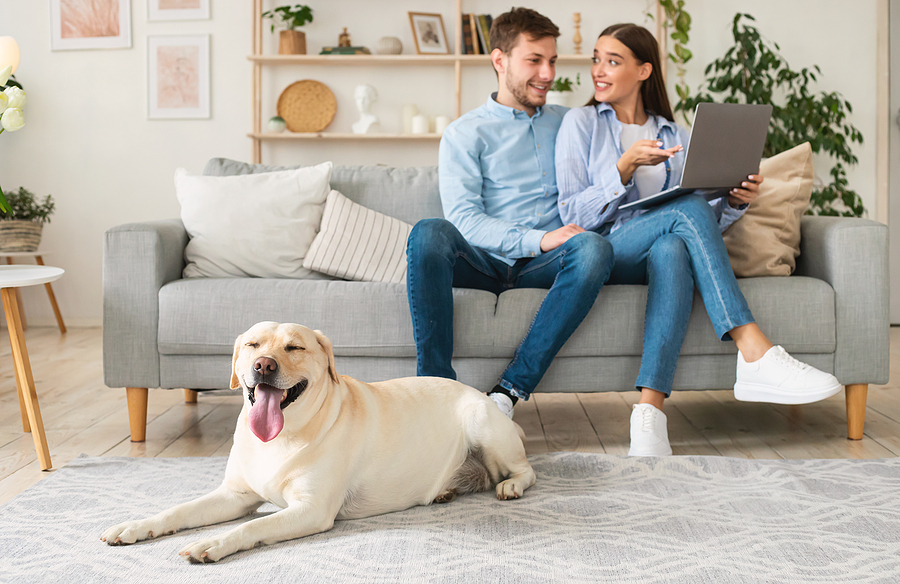
Creating a home that accommodates pets requires balancing comfort with safety. Dogs, cats, and smaller animals experience the world differently than humans do. Their natural curiosity, coupled with their lower vantage point, exposes them to hazards that often go completely unnoticed by homeowners. Designing a living space that safeguards your animal companions does not mean sacrificing aesthetic appeal or comfort. Instead, it involves thoughtful organization, careful material selection, and preventative proofing across every room in the house. This comprehensive guide outlines the essential steps needed to transform any living space into a secure sanctuary for your pets.
Understanding the Pet Perspective
To properly secure your home, you must first evaluate your living space from the physical level of your pet. Crawling toddlers and pets share a similar perspective, meaning low cabinets, floor-level electrical cords, and stray small objects instantly become accessible. Cats possess vertical agility that introduces entirely different safety considerations, allowing them to reach high shelves, countertops, and open window ledges that dogs cannot access.
Begin your safety assessment by walking through each room on your hands and knees or simply observing your pet’s daily routines. Notice where they like to explore, chew, or nap. Identifying these high-traffic and high-interest zones highlights exactly where you need to focus your safety upgrades. Preventing accidents before they happen saves you from costly veterinary emergencies and ensures your animal companion enjoys a stress-free environment.
Securing the Living Room and Common Areas
The living room is typically the heart of the home, where families and pets spend the majority of their shared time. Unfortunately, it also contains numerous hidden dangers.
-
Electrical Cords: Exposed wires pose a severe electrocution and choking hazard. Enclose all cords in protective plastic tubing, secure them tightly against baseboards, or block access using furniture.
-
Houseplants: Many common indoor plants are toxic to animals. Lilies are notoriously fatal to cats, while philodendrons, pothos, and dieffenbachia cause severe mouth irritation and gastrointestinal distress in both dogs and cats. Replace toxic greenery with pet-safe alternatives like spider plants, Boston ferns, or parlor palms.
-
Decorative Items: Fragile knick-knacks placed on low tables easily get knocked over by wagging tails or leaping cats, resulting in dangerous glass shards. Move delicate decor to high, enclosed shelves or display cases.
-
Furniture Stability: Ensure heavy bookshelves, televisions, and unstable accent tables are anchored securely to the wall. Pets often climb or lean against furniture during play, risking catastrophic tip-over accidents.
Kitchen Safety and Food Storage
The kitchen is arguably the most hazardous room in the house for a pet due to the presence of hot appliances, sharp utensils, chemical cleaners, and toxic foods.
-
Food Management: Never leave human food unattended on counters or dining tables. Common ingredients such as chocolate, grapes, raisins, onions, garlic, xylitol artificial sweetener, and macadamia nuts are highly toxic to dogs and cats. Keep pantry doors firmly closed and store dry pet food in airtight, heavy-duty containers that paws cannot claw open.
-
Trash Cans: Invest in heavy, weighted trash cans equipped with secure, locking lids. Rummaging through the garbage exposes pets to spoiled food, mold toxins, chicken bones that splinter, and harmful non-food items like plastic wrappers.
-
Chemical Storage: Store all dish soaps, dishwasher detergents, floor cleaners, and surface sprays in lower cabinets fitted with childproof safety latches. Even eco-friendly cleaners can cause severe stomach upset or chemical burns if ingested or stepped on.
-
Appliance Awareness: Always keep the dishwasher and oven doors closed, even when empty. Curious cats or small dogs can easily slip inside unnoticed. Let your stove burners cool completely before leaving the kitchen unattended, and consider using stove knob covers to prevent accidental ignition by paws.
Bathroom and Laundry Room Precautions
Bathrooms and laundry areas contain tight spaces, cleaning supplies, and machinery that require strict oversight.
-
Toilet Lids: Keep the toilet lid closed at all times. Pets can easily fall into the bowl and drown, especially puppies, kittens, or older animals with mobility issues. Furthermore, chemical toilet bowl cleaners and stagnant water pose health risks.
-
Laundry Machines: Always check the interior of your washing machine and dryer before tossing in a load and starting the cycle. Cats frequently seek out warm, dark enclosed spaces for naps, making laundry drums a hidden trap.
-
Medication and Toiletries: Never leave prescription medications, over-the-counter painkillers, vitamins, or cosmetics on bathroom counters. Ingesting human medication is one of the leading causes of pet poisoning. Store all personal care items in medicine cabinets or high drawers.
-
Sharps and Small Objects: Dental floss, cotton swabs, razors, and hair ties are extremely dangerous if swallowed. String-like objects cause linear foreign body obstructions in cats, requiring immediate and expensive surgical intervention.
Bedroom and Personal Space Management
Bedrooms often house personal items that can pose serious risks to animals if left unattended.
-
Clothing and Accessories: Shoes, laundry, socks, and undergarments often carry scents that attract dogs. Ingesting fabric or shoe inserts can lead to severe intestinal blockages. Keep dirty laundry in hampers with secure lids.
-
Jewelry and Small Valuables: Earrings, rings, coins, and sewing supplies should never be left loose on nightstands or dressers. Swallowing metallic objects can cause internal blockages or heavy metal poisoning.
-
Bedding Choices: Choose durable, washable pet beds that do not contain loose stuffing or removable squeakers that can be chewed off and swallowed.
Flooring and Surface Considerations
Choosing the right flooring materials impacts both the longevity of your home and the physical health of your pets.
Hardwood floors and laminate surfaces are easy to clean, but they can be dangerously slick for dogs, particularly senior pets or breeds prone to joint issues. Slick surfaces prevent proper traction, leading to slips, falls, and worsening hip dysplasia. Combat this by placing non-slip runner rugs and durable area rugs throughout high-traffic hallways and jumping zones.
When selecting carpets, opt for low-pile styles made from stain-resistant, synthetic fibers rather than looped Berber carpets. Loop carpets easily catch pet claws, causing them to snag, tear, or become painfully trapped.
Outdoor Access and Balcony Protection
If your home features a yard, patio, or apartment balcony, securing the perimeter is vital to prevent escape or injury.
-
Fencing Inspection: Regularly walk your property line to check for gaps, loose boards, or digging spots under fences where a dog might slip through or escape. Ensure gates feature self-closing latches.
-
Balcony Safety: For apartment dwellers, balconies require sturdy mesh or plexiglass enclosures to prevent cats or small dogs from slipping through railing slats or attempting dangerous leaps. Never leave a pet unattended on an unprotected high-rise balcony.
-
Pest Control: Avoid using toxic rat poisons, snail bait, or chemical lawn fertilizers in areas your pet can access. These products cause devastating systemic poisoning and are often flavored in ways that attract animals.
Emergency Preparedness
Despite taking every precaution, accidents can still happen. Being prepared minimizes panic and ensures your pet receives rapid care.
-
First Aid Kit: Keep a dedicated pet first aid kit stocked with sterile gauze, adhesive medical tape, blunt-tipped scissors, a digital thermometer, hydrogen peroxide, and a pet-safe antiseptic wash.
-
Contact Information: Pin emergency veterinarian numbers, the local animal poison control hotline, and the address of the nearest twenty-four-hour animal hospital to your refrigerator and save them in your smartphone contacts.
-
Identification: Ensure your pet wears a properly fitted collar with updated tags and is microchipped with your current contact information registered in the national database.
Frequently Asked Questions
Which essential oils are safe to diffuse in a pet-friendly home?
Most essential oils, including tea tree, eucalyptus, cinnamon, citrus, peppermint, and pine, are toxic to cats and dogs when diffused, applied topically, or ingested. Their livers lack the specific enzymes required to metabolize these compounds. Safe alternatives include lavender, chamomile, and frankincense, though you should always diffuse them in a well-ventilated room and ensure your pet can freely leave the space.
How can I stop my puppy or cat from chewing on electrical wires?
Deter chewing by applying a bitter-tasting pet deterrent spray directly onto the cords, as the unpleasant taste discourages repeated biting. Additionally, encase cords in heavy-duty split wire loom tubing or route them through PVC cord channels mounted to the wall out of reach. Providing appropriate chew toys and scratching posts redirects their natural chewing instincts toward acceptable items.
What are the best fabrics for pet-friendly furniture upholstery?
Performance fabrics such as microfiber, canvas, outdoor-grade acrylic, and heavy tightly-woven leather or faux leather stand up exceptionally well to pet hair, claws, and stains. Avoid delicate fabrics like silk, tweed, and velvet, because loose weaves easily catch claws, trap fur, and absorb odors quickly.
How do I protect my furniture from cat scratching without declawing?
Cats scratch to shed outer claw layers, mark territory, and stretch their muscles. Provide multiple sturdy, tall vertical scratching posts wrapped in sisal rope, as well as horizontal cardboard scratchers placed near their favorite sleeping spots. Encourage use by sprinkling catnip on the scratching surfaces and gently praising your cat when they use them instead of the sofa.
Are traditional household disinfectants safe to use around pets?
Many conventional multi-surface cleaners, bleach solutions, and floor disinfectants contain harsh chemicals like phenols and ammonia that cause respiratory irritation, skin burns, or internal poisoning if pets walk on wet floors and lick their paws. Switch to pet-safe enzymatic cleaners or simple mixtures of vinegar and water for routine daily cleaning tasks.
What is the safest way to manage pet hair and dander for allergy control?
Invest in a high-efficiency particulate air purifier to capture airborne dander and dust. Vacuum carpets, upholstery, and hard floors frequently using a vacuum cleaner equipped with a specialized filter. Grooming your pets outdoors or in the bathroom regularly reduces shedding at the source and prevents excessive accumulation on your household surfaces.