Essential Veterinary Care for Newly Adopted Shelter Animals
Bringing home a newly adopted shelter animal is an incredibly rewarding experience that changes lives for both the pet and the human. However, the transition from a shelter environment to a permanent home involves unique health considerations. Shelters do amazing work keeping animals safe and healthy, but the high-stress environment and close quarters mean that every newly adopted pet requires a comprehensive veterinary checkup shortly after adoption. Establishing a strong relationship with a local veterinarian sets the foundation for a long, healthy life together.
The Initial Wellness Examination
The very first step after adopting your new companion should be scheduling an initial veterinary exam. Most adoption contracts require this visit to happen within a specific window, usually seventy-two hours to two weeks.
-
Reviewing Shelter Records: Bring all medical paperwork provided by the shelter. This documentation details previous vaccinations, deworming treatments, spay or neuter surgeries, and any known medical treatments received during their stay.
-
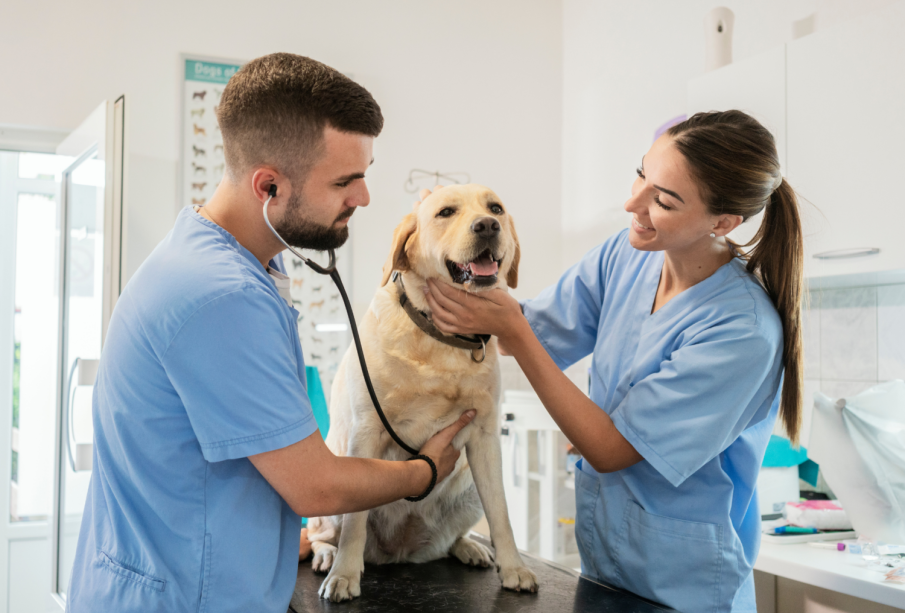
Comprehensive Physical Assessment: The veterinarian will conduct a thorough nose-to-tail examination. This includes listening to the heart and lungs, checking the eyes, ears, and teeth, palpating the abdomen, and assessing body condition score and coat health.
-
Establishing a Baseline: This first visit creates a healthy baseline for your pet, allowing the veterinarian to track future weight changes, dental health progression, and general wellness over time.
Parasite Screening and Prevention
Shelter animals are often exposed to various internal and external parasites due to communal living spaces and their prior history before entering the rescue system. Even if a shelter administered preventative treatments, a fresh screening is always necessary.
-
Fecal Examination: Intestinal parasites like roundworms, hookworms, whipworms, and microscopic protozoa such as giardia or coccidia are common in shelter populations. A fresh stool sample allows the clinic to test for these organisms and prescribe the correct deworming medication.
-
Heartworm Testing: For dogs, a blood test is vital to check for heartworms transmitted by mosquitoes. Heartworms can cause severe cardiopulmonary damage if left untreated.
-
Ectoparasite Checks: The veterinary team will inspect the fur and skin for fleas, ticks, ear mites, and lice, immediately applying safe and effective preventative topicals or oral treatments if necessary.
Vaccination Protocols and Upgrades
While shelters ensure animals receive core vaccinations before adoption, your veterinarian may recommend additional vaccines based on your geographic location, your pet’s lifestyle, and any gaps in their immunization history.
-
Core Vaccines for Dogs: These typically include rabies, distemper, parvovirus, and adenovirus. Depending on whether your dog will visit dog parks, daycare, or boarding facilities, lifestyle vaccines like bordetella, canine influenza, and leptospirosis may also be recommended.
-
Core Vaccines for Cats: Essential feline vaccinations include rabies and feline distemper combination vaccine. Outdoor cats or those living in multi-cat households might also need protection against feline leukemia virus.
-
Booster Schedules: Adult rescues may need a booster shot within a few weeks to ensure robust immunity, while young puppies and kittens require a strict series of scheduled vaccine boosters as their maternal antibodies fade.
Nutritional Guidance and Weight Management
Stress, changing environments, and shifting diets frequently cause digestive upset in newly adopted pets. Furthermore, many shelter animals arrive underweight from previous neglect, while others might be overweight due to a lack of exercise during their stay at the facility.
Your veterinarian can evaluate your pet’s body condition and recommend an appropriate nutritional plan. If you want to switch their food from what the shelter fed them, always transition slowly over seven to ten days by mixing increasing amounts of the new food with decreasing amounts of the old food. This gradual shift prevents acute vomiting, diarrhea, and severe stomach discomfort.
Behavioral Health and Stress Mitigation
Physical health and mental well-being are deeply interconnected, especially for rescue animals navigating a brand-new home environment. The transition from a noisy shelter to a quiet house can trigger anxiety, fear-based aggression, or hiding behaviors.
Discuss any behavioral observations with your veterinarian during the exam. Chronic stress weakens the immune system, making pets more susceptible to illness. Your veterinarian can offer guidance on decompression strategies, calming pheromone diffusers, crate training, or refer you to a certified animal behaviorist if your pet exhibits severe signs of trauma or separation anxiety.
Frequently Asked Questions
Should I quarantine my new shelter pet from other pets already in my home?
Yes, it is highly recommended to keep a newly adopted animal separated from resident pets for at least fourteen days. This quarantine period prevents the potential transmission of undetected contagious illnesses, parasites, or respiratory infections while allowing all animals to adjust to each other’s scents safely.
Why does my newly adopted pet have a persistent cough after coming home?
A mild cough is very common in shelter dogs and is often associated with infectious tracheobronchitis, commonly known as kennel cough. While it is usually self-limiting, you should consult your veterinarian if the cough worsens, becomes productive, or is accompanied by lethargy and a fever.
How soon can I bathe my new shelter pet after bringing them home?
Unless your pet is visibly dirty, covered in waste, or carrying dangerous external parasites, it is usually best to wait a few days before giving them a full bath. Moving to a new home is already stressful, and the sensory overload of a bath can heighten their anxiety during the critical decompression period.
Can microchip information be updated at my first veterinary appointment?
Veterinary clinics usually carry microchip scanners and can check if your pet is already microchipped. While the clinic cannot always edit the registration database directly, they can provide you with the exact microchip serial number and instruct you on how to contact the registry to update your contact information immediately.
What are the signs that a shelter pet is experiencing a medical emergency?
Emergency signs that require immediate veterinary attention include severe lethargy, inability to keep food or water down, difficulty breathing, continuous bleeding, inability to urinate, or ingestion of toxic substances like household cleaners or human medications.
How often do adult shelter animals need veterinary checkups after the initial visit?
Once your new pet is fully vaccinated, treated for parasites, and declared healthy, adult animals typically require routine wellness exams once a year. Senior pets over the age of seven generally benefit from bi-annual veterinary visits to catch age-related conditions early.