Specialized Pet Care for Exotic Animals and Unique Pets
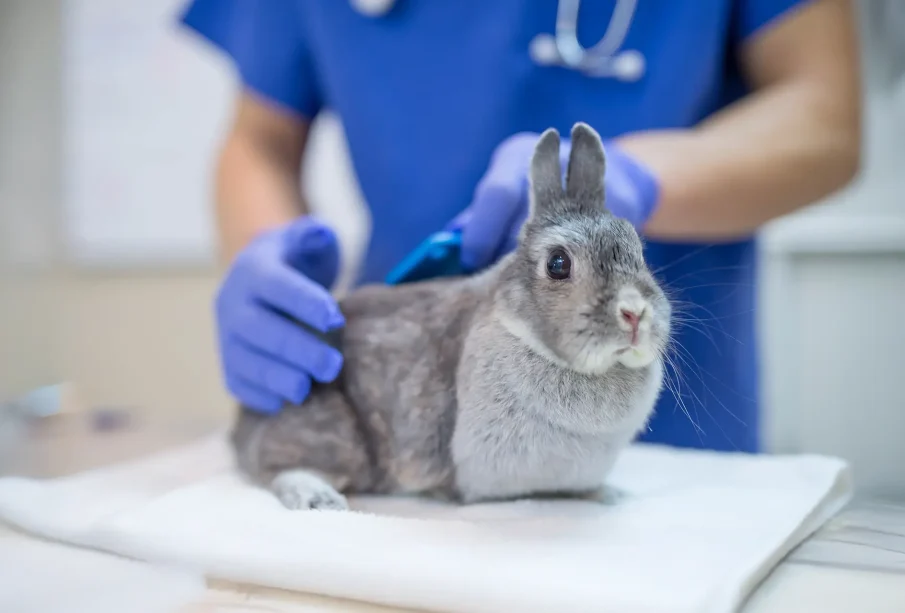
The world of pet ownership extends far beyond traditional dogs and cats. Millions of households embrace the unique charm of exotic animals, including birds, reptiles, amphibians, pocket pets, and small mammals. Caring for these extraordinary companions offers immense rewards, but it also demands a profound departure from standard pet care knowledge. Because exotic species possess highly specialized biological, environmental, and dietary requirements, mastering their specific husbandry needs is the single most important responsibility for any prospective or current owner.
Understanding Species-Specific Husbandry and Environment
Husbandry refers to how and where an animal lives, encompassing everything from enclosure size to climate control. Unlike dogs and cats that share our indoor living spaces freely, exotic pets often rely completely on artificial microclimates engineered inside cages, terrariums, or aviaries to replicate their natural habitats.
-
Temperature Gradients: Cold-blooded reptiles and amphibians cannot regulate their own internal body heat. Their enclosures must feature distinct temperature zones, including a warm basking area and a cooler retreat, monitored constantly via digital thermometers.
-
Lighting and Ultraviolet Rays: Many birds and reptiles require specific ultraviolet spectrum lighting for ten to twelve hours daily. Without proper exposure to artificial sunlight, these animals cannot synthesize vital vitamins necessary for calcium absorption and metabolic health.
-
Humidity Control: Maintaining correct moisture levels prevents respiratory infections in birds and ensures safe, complete shedding cycles for snakes, lizards, and tortoises. Hygrometers are essential tools for tracking daily humidity fluctuations accurately.
Nutrition and Dietary Precision
Malnutrition remains one of the most frequent challenges veterinarians encounter in exotic animal medicine. Standard commercial food pellets designed for one species can prove toxic or severely deficient when fed to another.
-
Herbivores and Fiber: Small herbivores like rabbits and guinea pigs require a continuous, unlimited supply of grass hay, such as timothy hay, to maintain proper gastrointestinal motility and wear down continuously growing teeth.
-
Carnivorous and Insectivorous Needs: Ferrets require strict high-protein diets mirroring a carnivorous lifestyle, while insectivorous reptiles thrive on properly gut-loaded insects dusted with specialized calcium and vitamin powders.
-
Avian Diets: Pet birds need diverse, balanced formulas combining high-grade pellets with fresh vegetables and limited fruits, avoiding the hazards of all-seed diets that lead to fatty liver disease.
Recognizing Hidden Signs of Illness
In the wild, exotic animals often act as prey species. A fundamental survival instinct for prey animals is to mask weakness, pain, or illness for as long as possible to avoid drawing the attention of predators.
Because of this natural masking behavior, an exotic pet that appears slightly tired or off its food may actually be suffering from an advanced, critical medical condition. Owners must remain hyper-vigilant, tracking subtle daily changes in weight, stool consistency, respiratory sounds, activity levels, and overall appearance. Regular weekly weigh-ins using a precise digital gram scale serve as an invaluable early warning system for weight loss or declining health.
Finding Specialized Veterinary Care
Traditional veterinary clinics focus primarily on canine and feline medicine, meaning they rarely possess the specialized equipment, pharmacological dosing charts, or anatomical training required to treat exotic species safely.
-
Establishing Care Early: Do not wait until an emergency strikes to find a veterinarian. Locate a certified avian and exotic animal practitioner immediately after bringing a new pet home.
-
Routine Wellness Exams: Annual checkups allow the veterinary team to perform baseline blood tests, fecal parasite screenings, beak and nail trims, and detailed environmental evaluations to catch potential problems before they escalate into emergencies.
Frequently Asked Questions
Do exotic pets require vaccinations like dogs and cats do?
Most reptiles, amphibians, and small rodents do not receive routine vaccinations. However, certain exotic species do require crucial immunizations, such as ferrets needing annual protection against canine distemper and rabies, and specific rabbits benefiting from vaccines guarding against hemorrhagic viral diseases.
Why do rabbits and guinea pigs need their teeth checked regularly?
Lagomorphs and cavies possess open-rooted teeth that continuously grow throughout their entire lives. If their diet lacks sufficient abrasive fiber to grind the teeth down naturally, or if jaw alignment is abnormal, painful dental spurs can form and pierce the cheeks or tongue, requiring professional veterinary trimming.
Can exotic pets be housed safely in standard wire cages?
Not always. Wire cage floors can cause severe, painful foot pad injuries known as bumblefoot in guinea pigs and certain birds. Selecting smooth, solid-bottom enclosures with appropriate, cleanable substrates protects their sensitive skin and joints.
How can I tell if my reptile is preparing to shed its skin?
A clear indicator in snakes is a cloudy, bluish tint to the eyes accompanied by dull, faded skin coloration, while lizards and turtles may shed in patches. During this vulnerable period, increasing ambient humidity and providing a rough textured shedding box helps the animal remove old skin completely.
Are pocket pets suitable companions for young children?
Small mammals like hamsters, mice, and hedgehogs are fragile, easily startled by loud noises, and primarily nocturnal or crepuscular. Because improper handling can easily result in bites or accidental injury, adult supervision and gentle handling education are absolutely mandatory.
What should I do if my pet bird begins plucking its feathers?
Feather plucking is a complex behavioral and medical issue driven by underlying stressors such as boredom, inadequate environmental enrichment, skin infections, nutritional deficiencies, or hormonal frustration. A complete veterinary evaluation is necessary to rule out physical illnesses before addressing environmental behavioral triggers.