The Evolution of Pet Food: From Wild Animals to Modern Pets
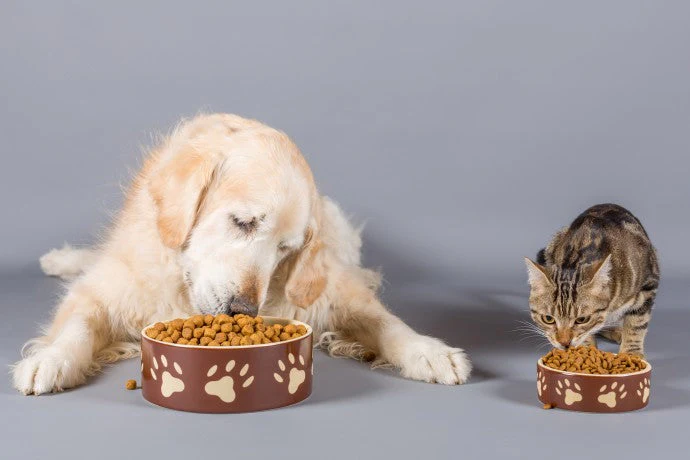
The relationship between humans and companion animals has undergone a massive transformation over the centuries. Long before specialized bowls, colorful bags of kibble, and gourmet wet food lines existed, our modern dogs and cats were wild predators surviving on instinct, raw power, and the hunt. Understanding how pet nutrition shifted from raw natural scavenging to highly engineered commercial products reveals a fascinating story of human innovation, industrial growth, and a changing cultural view of domestic animals.
The Ancestral Diet of Wild Predators
Before dogs and cats shared living rooms and couches with humans, their ancestors relied entirely on what nature provided. Wild canids, such as wolves, hunted in packs to bring down large ungulates, small mammals, birds, and fish. They consumed nearly every part of their prey, including muscle meat, internal organs, bones, and even the plant matter found inside the stomachs of herbivores. This provided a balanced intake of proteins, fats, calcium, and essential micronutrients.
Felines followed a similarly strict carnivorous blueprint. As obligate carnivores, wild cats depended on hunting small rodents, birds, and reptiles. Their bodies evolved to process high levels of animal protein and moisture while requiring very little carbohydrate matter. Survival meant adapting to the rhythms of the natural world, where food was fresh, unprocessed, and entirely dependent on seasonal hunting success.
The Transition to Human Table Scraps
As human societies shifted from nomadic hunter-gatherer groups to agrarian communities, the bond with animals deepened. Early dogs and cats began hanging around human settlements, drawn by the promise of safety and accessible calories. During this era, pets were primarily working animals used for guarding property, herding livestock, or keeping rodent populations under control.
-
Shared Sustenance: Owners rarely prepared specialized meals for their animals. Instead, dogs and cats survived on table scraps, leftover bones, porridge, and whatever refuse humans discarded.
-
Genetic Adaptations: Over thousands of years of living near human farms, dogs actually underwent genetic changes that improved their ability to digest starches and carbohydrates compared to their wolf ancestors.
-
The Agrarian Reality: While cats maintained their strict physiological need for meat, farm cats and household mousers supplemented their human-provided scraps with self-caught prey.
The Industrial Revolution and the Birth of Commercial Pet Food
The mid-nineteenth century brought rapid urbanization and industrial growth, altering how people lived and kept animals. As more people moved into cities, access to farm scraps and open hunting grounds diminished. This urban shift created an opening for entrepreneurial innovation.
In the 1860s, an American electrician named James Spratt visited London and noticed dockside stray dogs eating discarded ship biscuits. Recognizing a market opportunity, he created the world’s first commercial pet food product: a baked dog cake composed of wheat meal, vegetables, beetroot, and beef blood. This marked the official birth of the commercial pet food industry, turning animal feeding into a manufactured commodity.
Shortly after, the market expanded into canned options. In the 1920s, the Chappel brothers introduced Ken-L-Ration, a canned dog food featuring horse meat as its primary ingredient. This product proved immensely popular, transforming convenience and shifting how society viewed the commercial viability of feeding pets.
World War II and the Rise of Dry Kibble
World War II introduced severe shortages of metal cans and meat, forcing the pet food industry to pivot toward alternative manufacturing methods. Manufacturers began experimenting with cereal-style production techniques to create shelf-stable products.
The true revolution in dry pet food arrived in the 1950s when Ralston Purina adapted an industrial extrusion process originally used to make breakfast cereal. This mechanical process combined ingredients under high heat and pressure, puffed the mixture through a shaping die, and baked it into crunchy kibble. Extrusion made pet food inexpensive, lightweight, highly stable on grocery store shelves, and exceptionally convenient for everyday consumers.
The Modern Era of Scientific Nutrition and Humanization
As veterinary science advanced in the latter half of the twentieth century, researchers began to understand that convenience alone was not enough to guarantee long-term health. Regulatory bodies like the Association of American Feed Control Officials began establishing strict guidelines to define complete and balanced nutrition for dogs and cats.
Today, the pendulum has swung toward the humanization of pet food. Pet owners increasingly view their animals as cherished family members rather than mere property. This cultural shift has driven massive demand for premium ingredients, grain-free options, targeted life-stage formulas, raw food diets, and transparency in ingredient labeling. Modern pet nutrition continues to evolve, drawing inspiration from ancient ancestral diets while leveraging advanced science to maximize health, longevity, and well-being.
Frequently Asked Questions
Did ancient domestic dogs suffer from the same health problems as modern dogs?
Ancient dogs typically experienced shorter lifespans and dealt with high rates of parasites, injuries from hunting, and starvation rather than the chronic lifestyle diseases seen today. Modern veterinary medicine and balanced nutrition have successfully extended pet lifespans, exposing age-related conditions like arthritis and cancer that older generations of animals rarely lived long enough to develop.
When did cats transition from purely working barn animals to indoor household pets?
While cats lived in close proximity to humans for thousands of years as pest controllers, the major shift toward treating them as pampered indoor companions accelerated significantly during the middle of the twentieth century with the advent of convenient litter boxes and indoor commercial cat foods.
Why do modern cats need taurine added to commercial food if wild cats do not?
Wild cats consume fresh, raw organs like the heart and liver which are naturally packed with high concentrations of taurine. Commercial processing and cooking methods can degrade natural nutrient levels, prompting modern manufacturers to supplement diets with synthetic or isolated taurine to prevent severe heart and eye deficiencies.
How did the commercial pet food industry convince people to stop feeding table scraps?
During the mid-twentieth century, industry trade groups launched marketing campaigns highlighting the nutritional risks of unbalanced table scraps and promoting processed kibble as a scientifically formulated, complete alternative that eliminated guesswork for pet owners.
Are modern grain-free pet foods closer to what wild ancestors ate?
Grain-free diets remove traditional starches like corn, wheat, and soy, replacing them with alternative carbohydrates like lentils, peas, or potatoes. While they lower certain grain inputs, they still rely heavily on starches required to manufacture commercial kibble through extrusion, making them distinct from the high-protein, ultra-low-carb diet of a wild predator.
What inspired the very first canned pet food to use horse meat?
Following World War I, surplus populations of aging horses across America were no longer needed for cavalry transport or heavy farm labor. Enterprising businessmen utilized this abundant meat source to produce inexpensive, protein-rich canned dog food before beef and chicken became the dominant industry standards.